
When Bad Bunny steps onto a global stage, it’s never just about the hits. It’s about heritage. Visibility. Legacy. And reminding the world—loudly, rhythmically, unapologetically—that Latin culture is not a trend, but a cornerstone of modern pop.
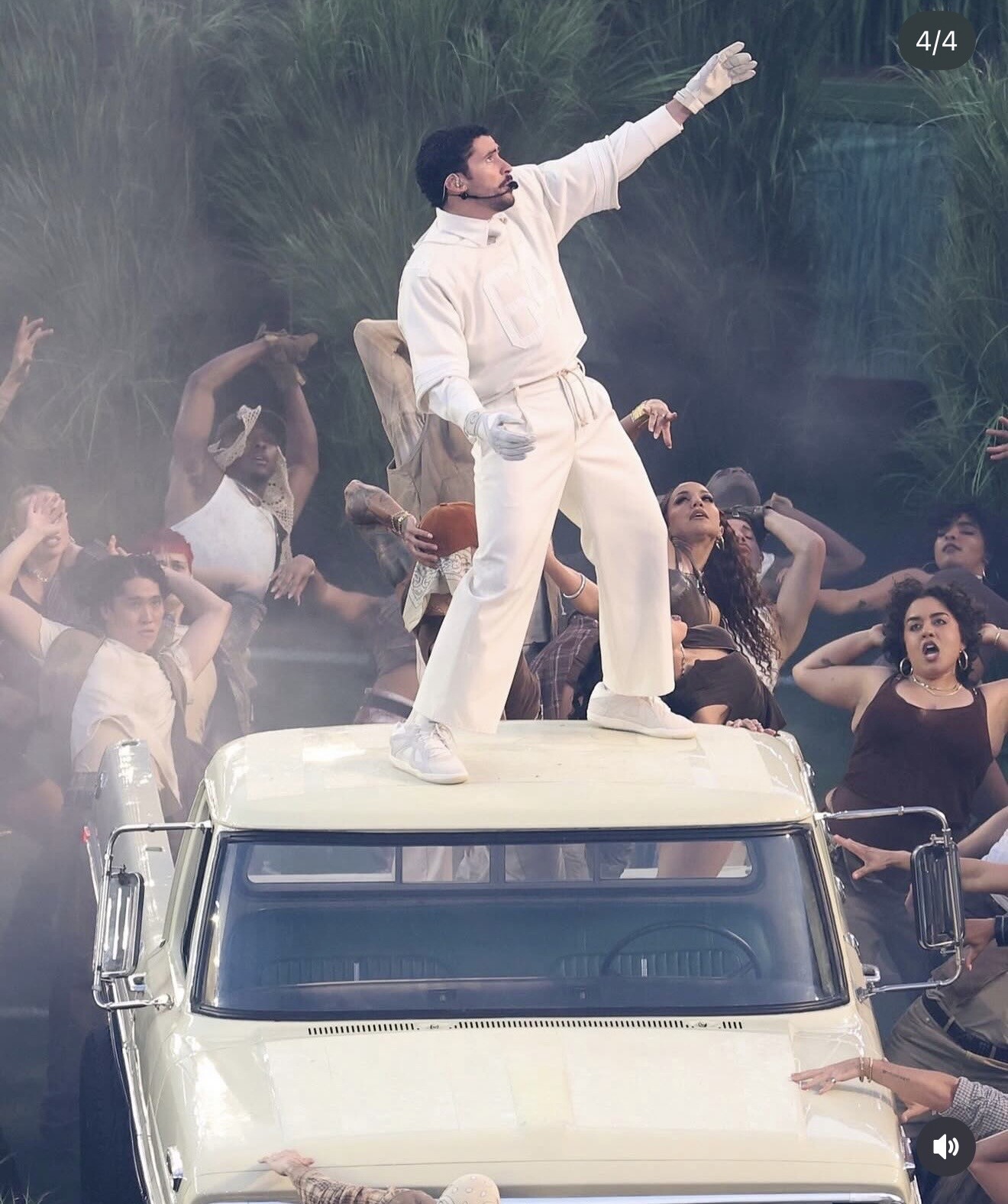
His appearance at the Super Bowl Halftime Show felt less like a cameo and more like a declaration: this is who I am, this is where I’m from, and this is who we are now.
What unfolded across the field was part concert, part love letter, part cultural reset.
A Gift to His Younger Self
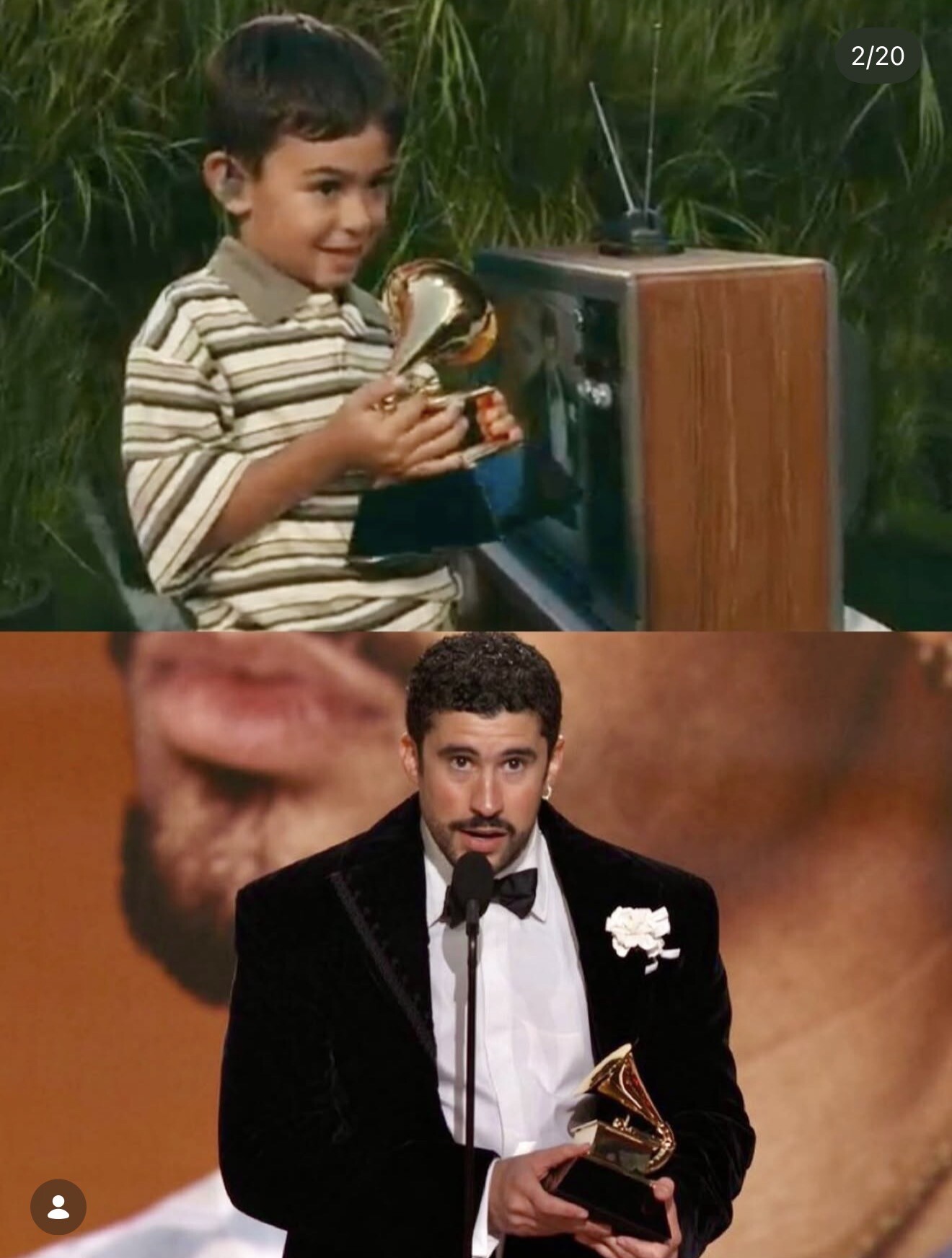
Threaded through the spectacle were nods to ambition, arrival and personal mythology—visual cues that played like Bad Bunny gifting his younger self the future he once imagined.
It wasn’t nostalgia.
It was triumph.
The message landed clearly: you don’t assimilate to succeed. You bring your world with you.
Generations on One Stage: Lady Gaga, Ricky Martin, Karol G & Cardi B
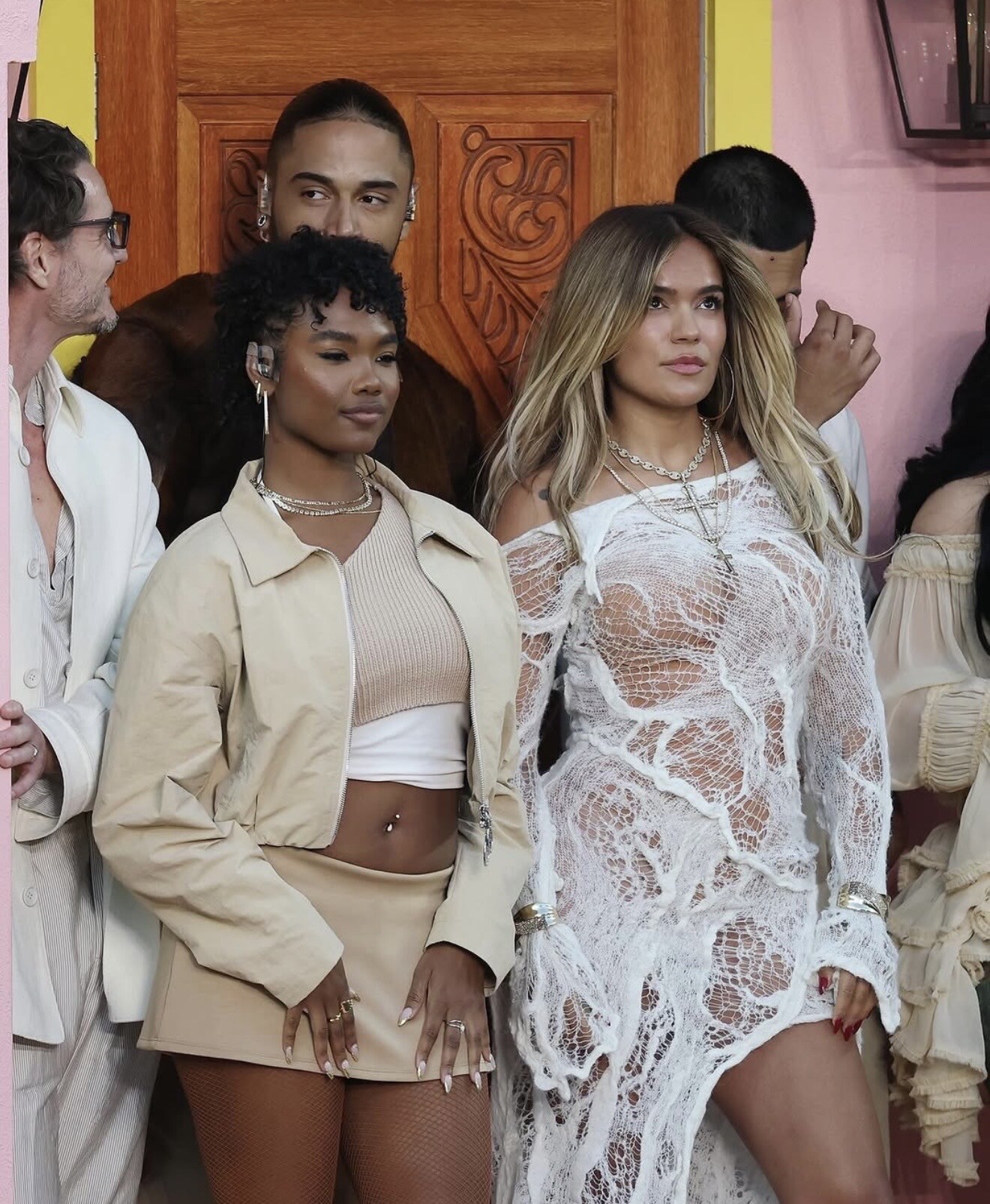
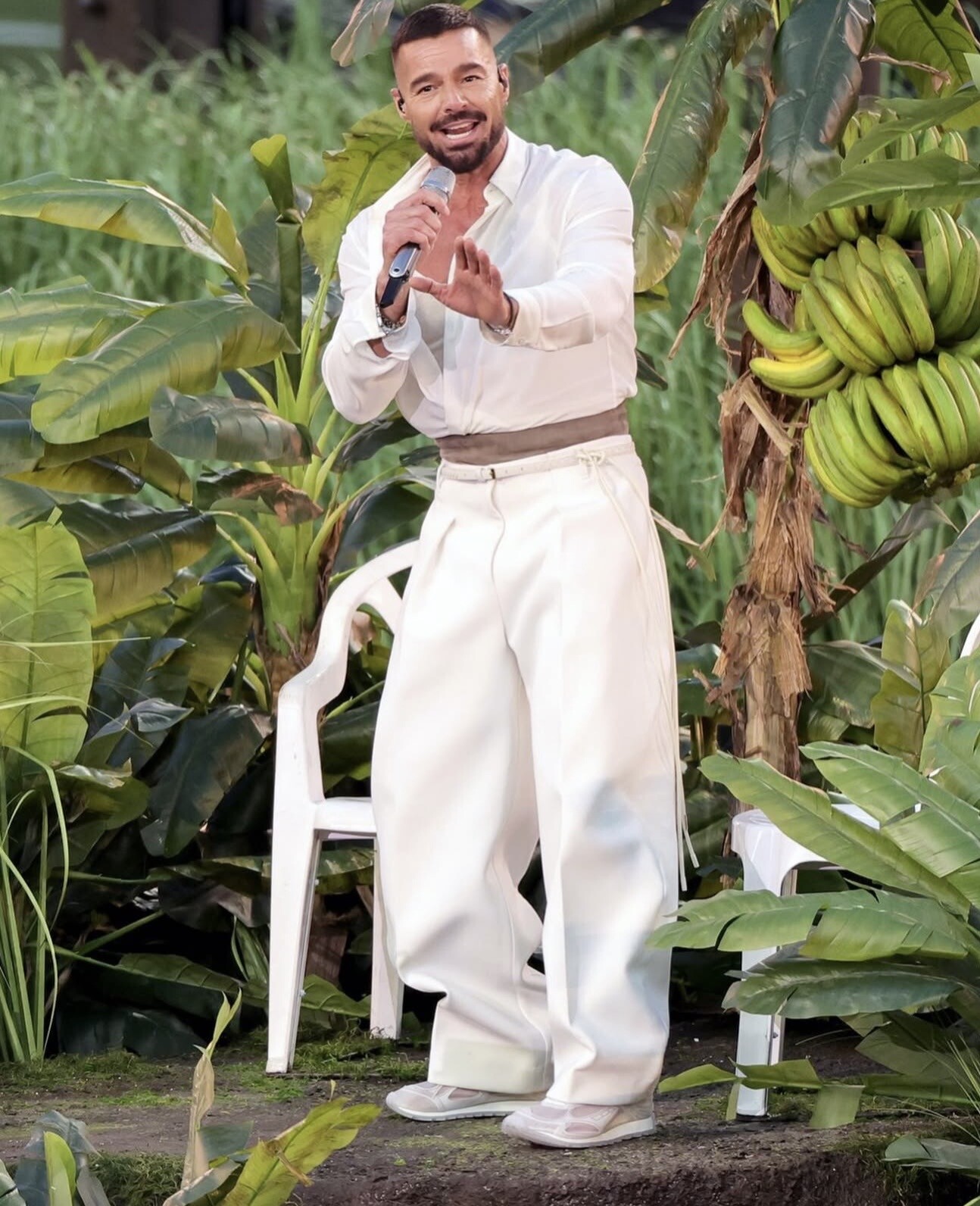
Then came the cameos—each one amplifying the moment rather than distracting from it.
Lady Gaga arrived with theatrical gravitas, her presence bridging pop maximalism with Latin futurism. Ricky Martin brought generational resonance, reminding viewers how long Puerto Rican artists have shaped global charts.
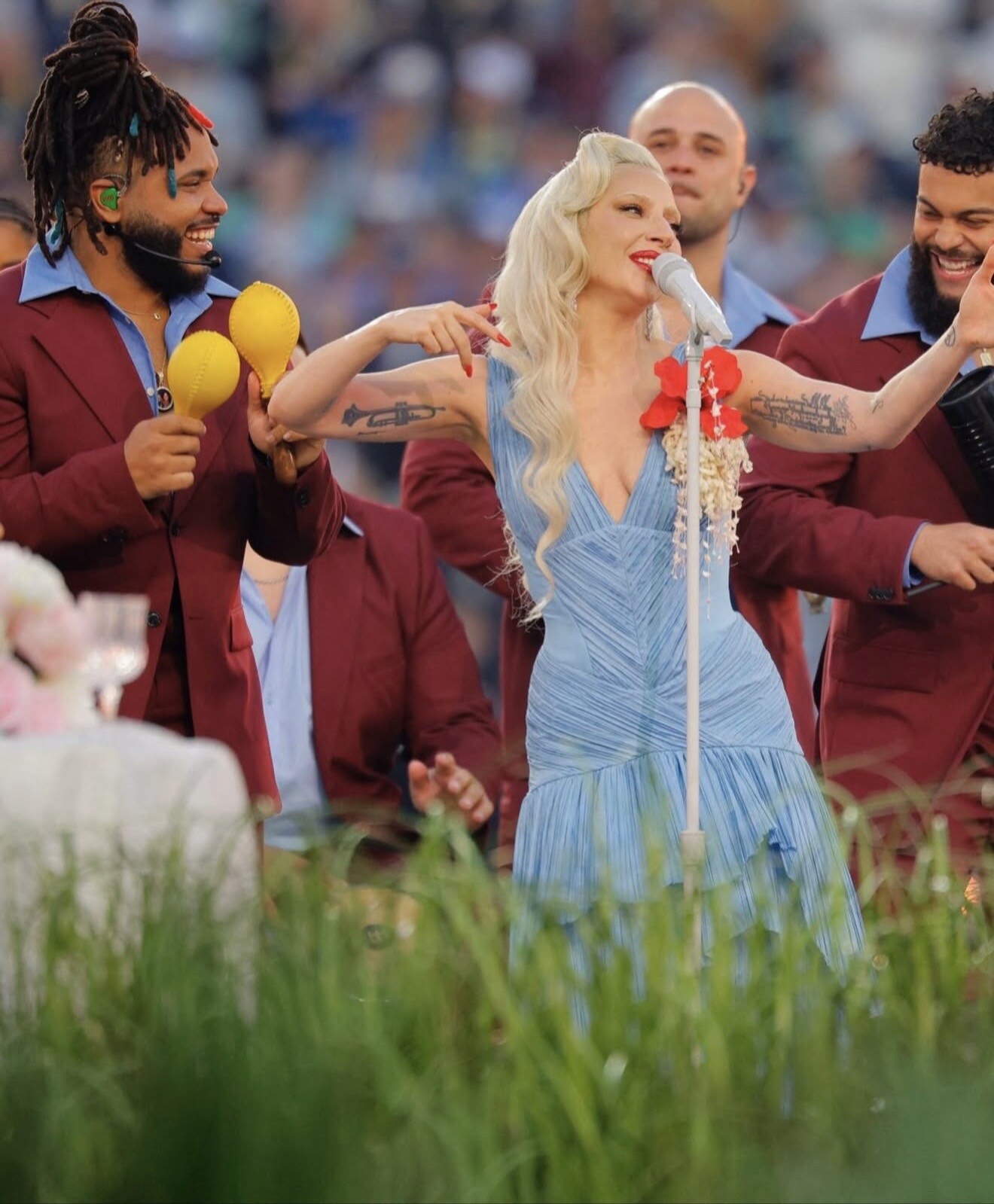
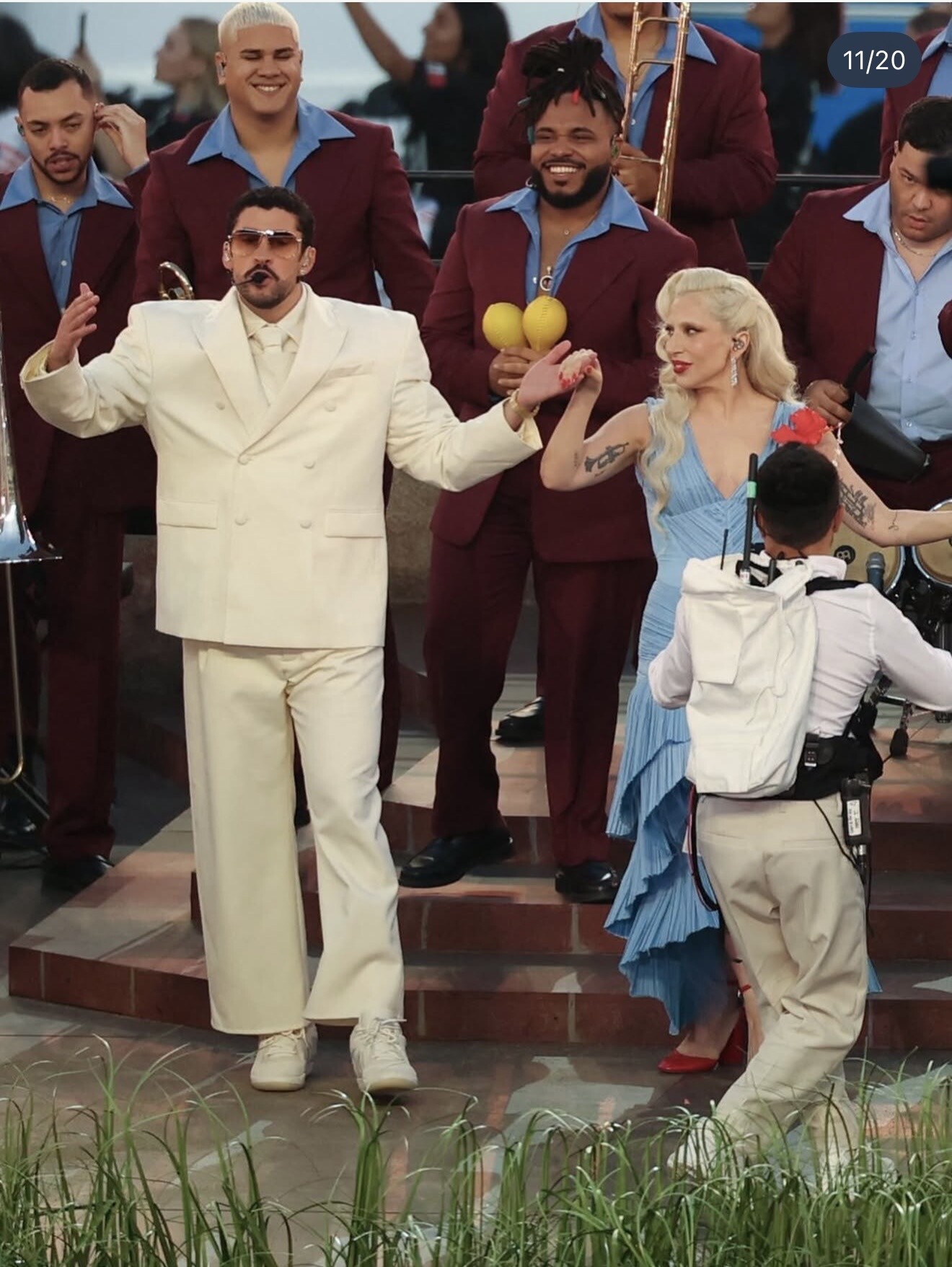
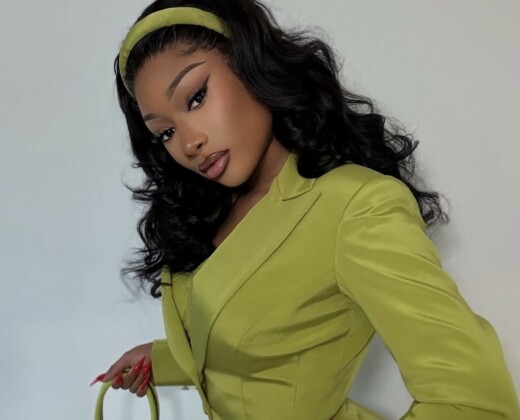
Karol G’s appearance felt like a coronation of today’s Latin pop vanguard—fearless, feminine and globally magnetic—while Cardi B injected Bronx swagger into the pan-American narrative, representing the fluid exchange between hip-hop and Latin culture that Bad Bunny has mastered for years.
Four stars. Multiple eras. One stage. Zero compromise.
A Continental Finale
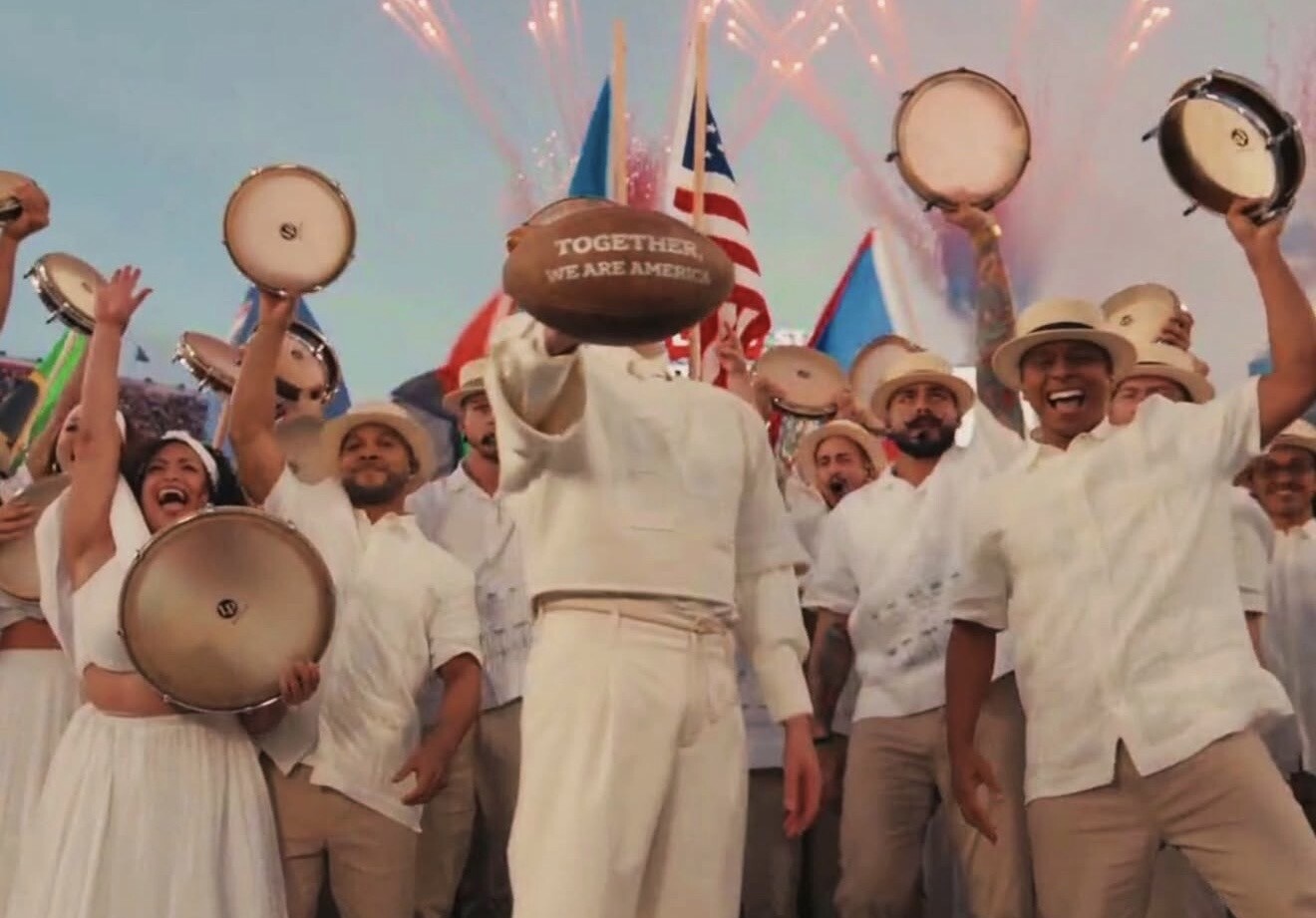
The closing moments carried some of the night’s most potent symbolism: a sweeping visual roll-call of nations across North, Central and South America and the Caribbean, transforming the stadium into a moving mosaic of flags and pride.
It reframed the word America not as a single place, but as a vast, interconnected cultural landscape.
Add in couples dancing in the stands, proposals spotted in the crowd and stadium-wide sing-alongs, and suddenly the performance wasn’t about football at all.
It was about people.
Fashion as Storytelling
Because this is VOIR—let’s talk clothes.
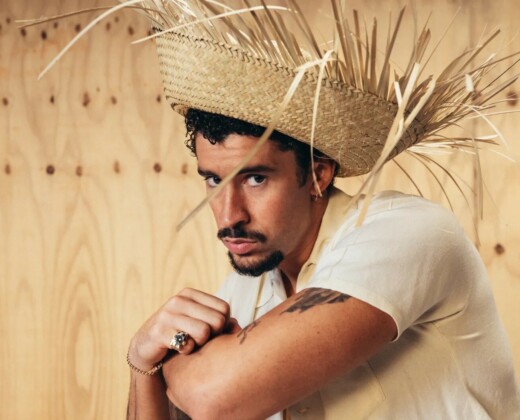
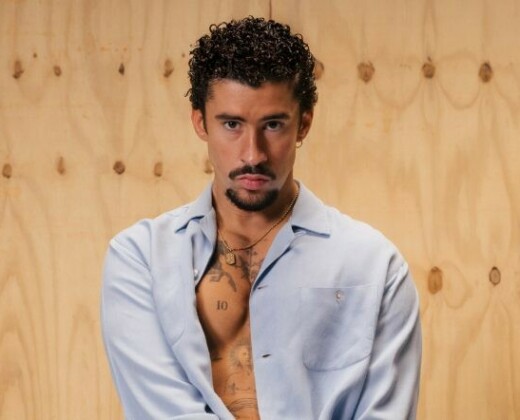
Bad Bunny’s look blended stadium-scale drama with street-level authenticity. For the historic night, he opted for a custom creation from Zara—a rare, bespoke moment from the high-street giant. The outfit featured the number 64, a deeply personal detail marking his mother’s birth year, turning a global broadcast into something quietly intimate.
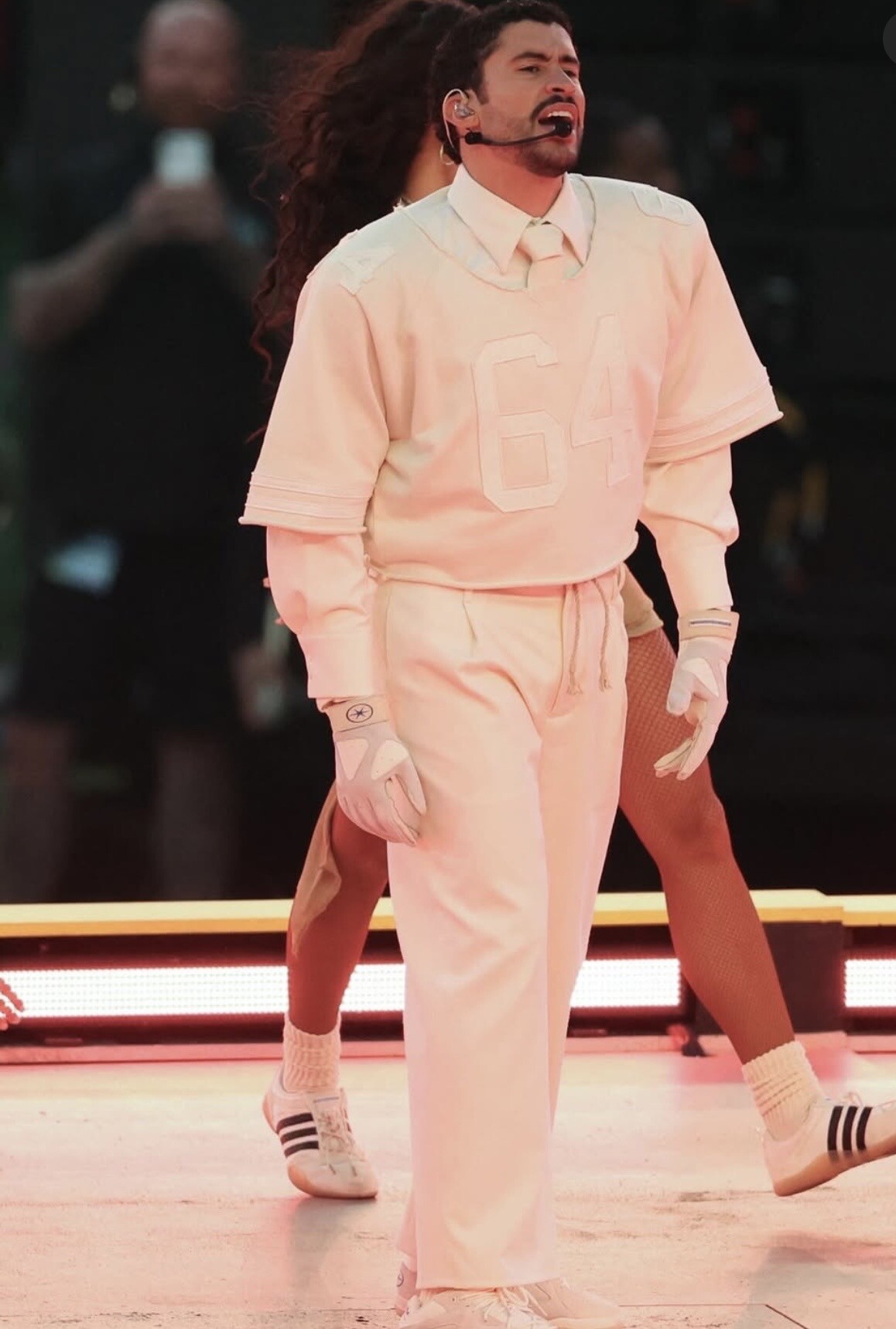
Streetwear, elevated to spectacle.
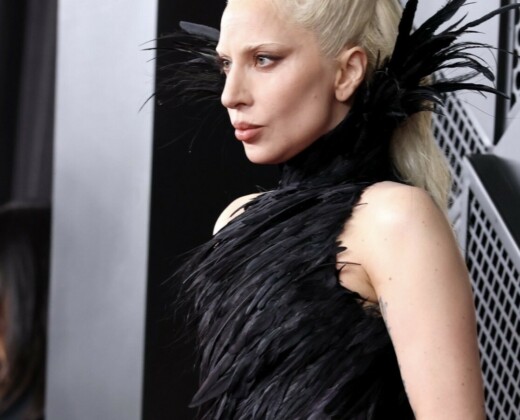
Across the field, Lady Gaga stunned in a custom gown by Luar, bringing sculptural movement and couture drama to the halftime stage. Her look felt like a gesture of artistic kinship—high fashion deployed not as costume, but as cultural dialogue.
Together, their wardrobe choices weren’t styling flourishes.
They were narrative tools.
Accessible brands re-imagined at couture scale. Personal symbolism writ large. Fashion operating as another language in a show already speaking in rhythm and pride.
Why This Moment Will Endure
This halftime performance didn’t dilute Latin culture for mass appeal.
It expanded the mainstream.
Bad Bunny didn’t translate himself—he amplified himself. Spanish lyrics, Caribbean rhythms, pan-American pride and unapologetic confidence beamed into millions of homes at once.
That’s not crossover.
That’s takeover.
VOIR Verdict:
A stadium-sized love letter to heritage. A flex of artistic freedom. And a reminder that global pop now speaks in many languages—sometimes all at once.
Bad Bunny didn’t just perform.
He reframed the field.