
A new chapter at Loewe rarely arrives quietly. Yet the debut campaign from Jack McCollough
and Lázaro Hernández feels less like a rupture and more like a careful recalibration — a moment
where continuity and disruption exist in equal measure. Following Jonathan Anderson’s
era-defining tenure, the duo’s first visual statement for the house signals a subtle shift in how
Loewe imagines modernity.
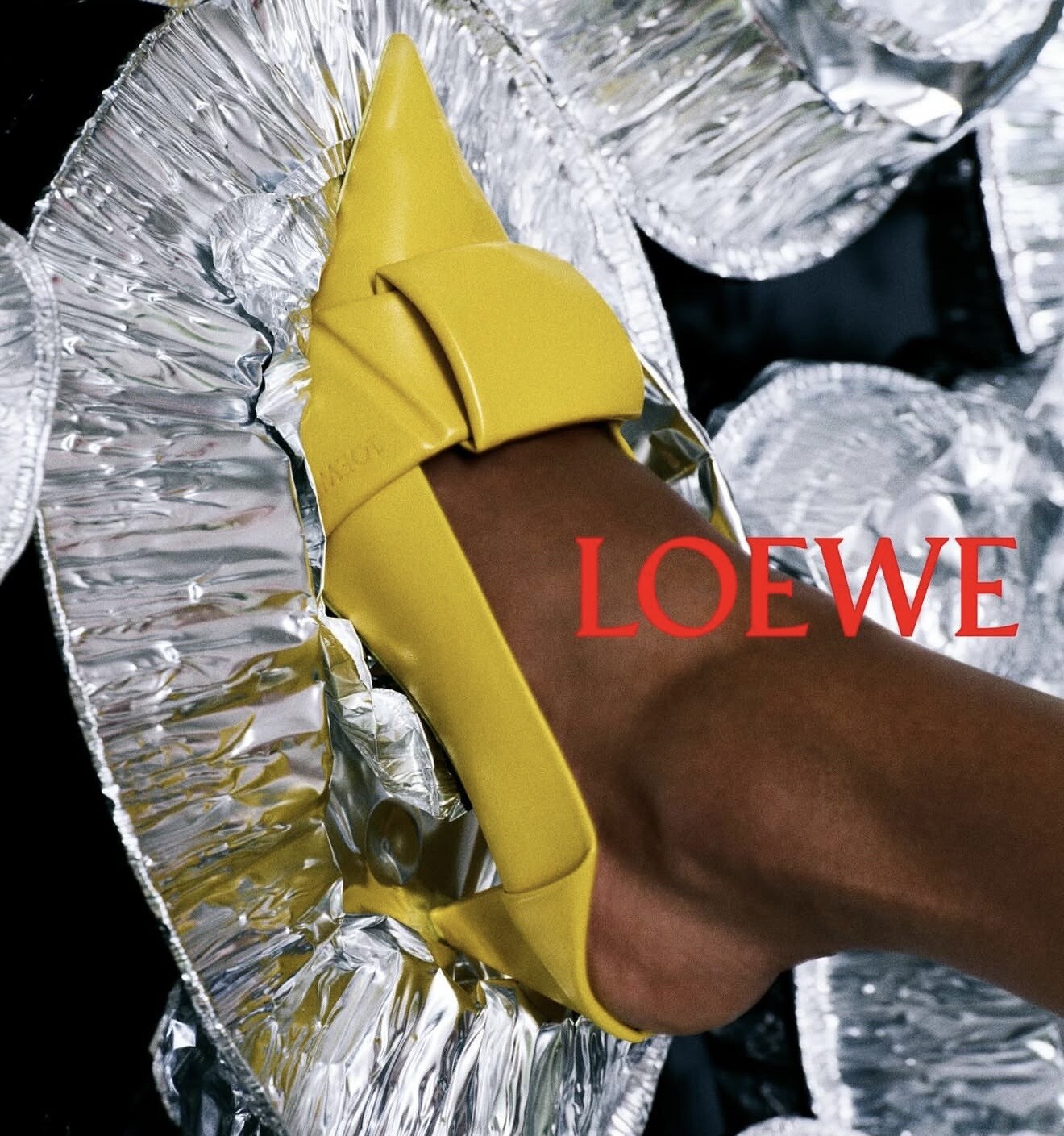
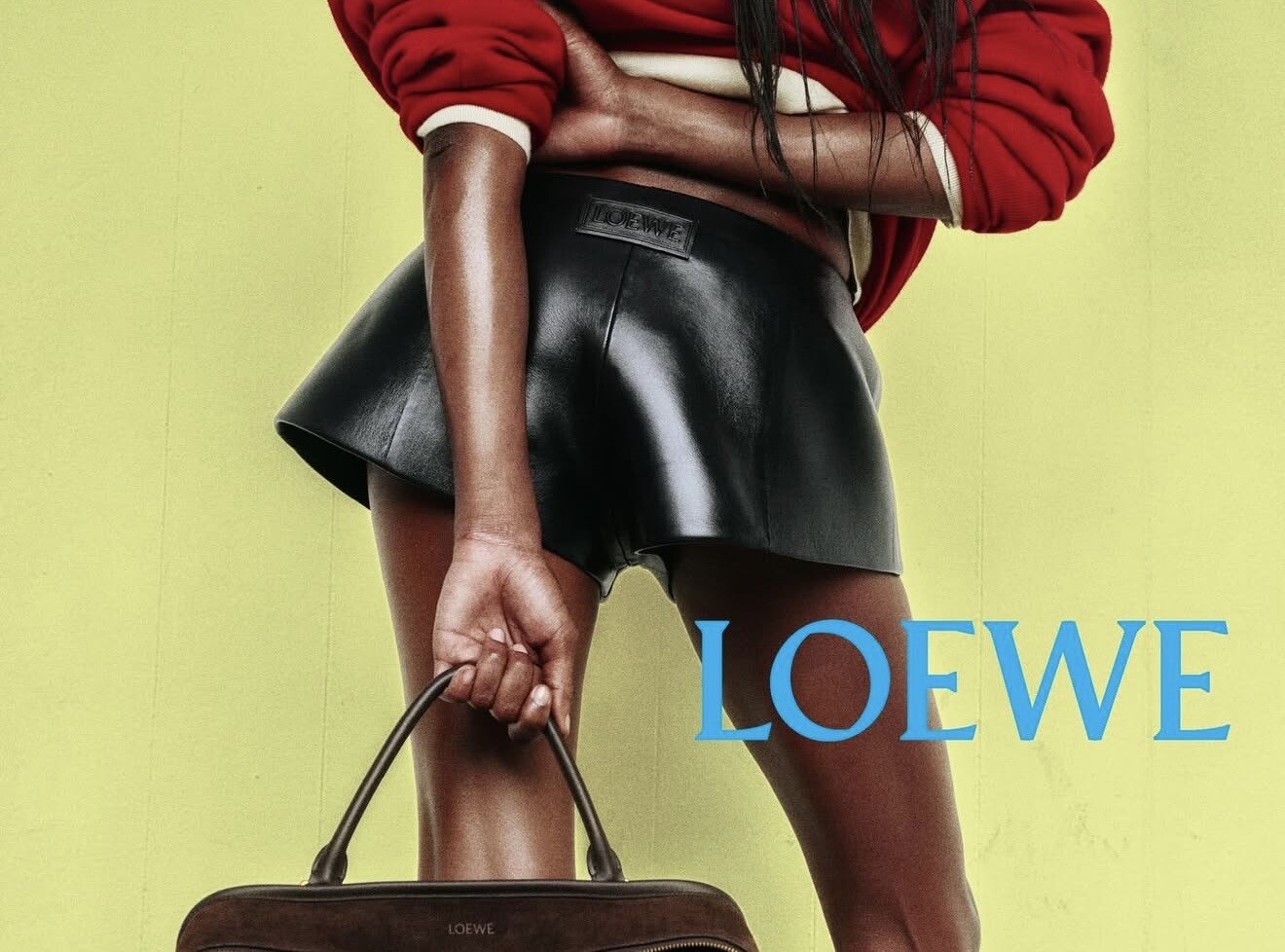
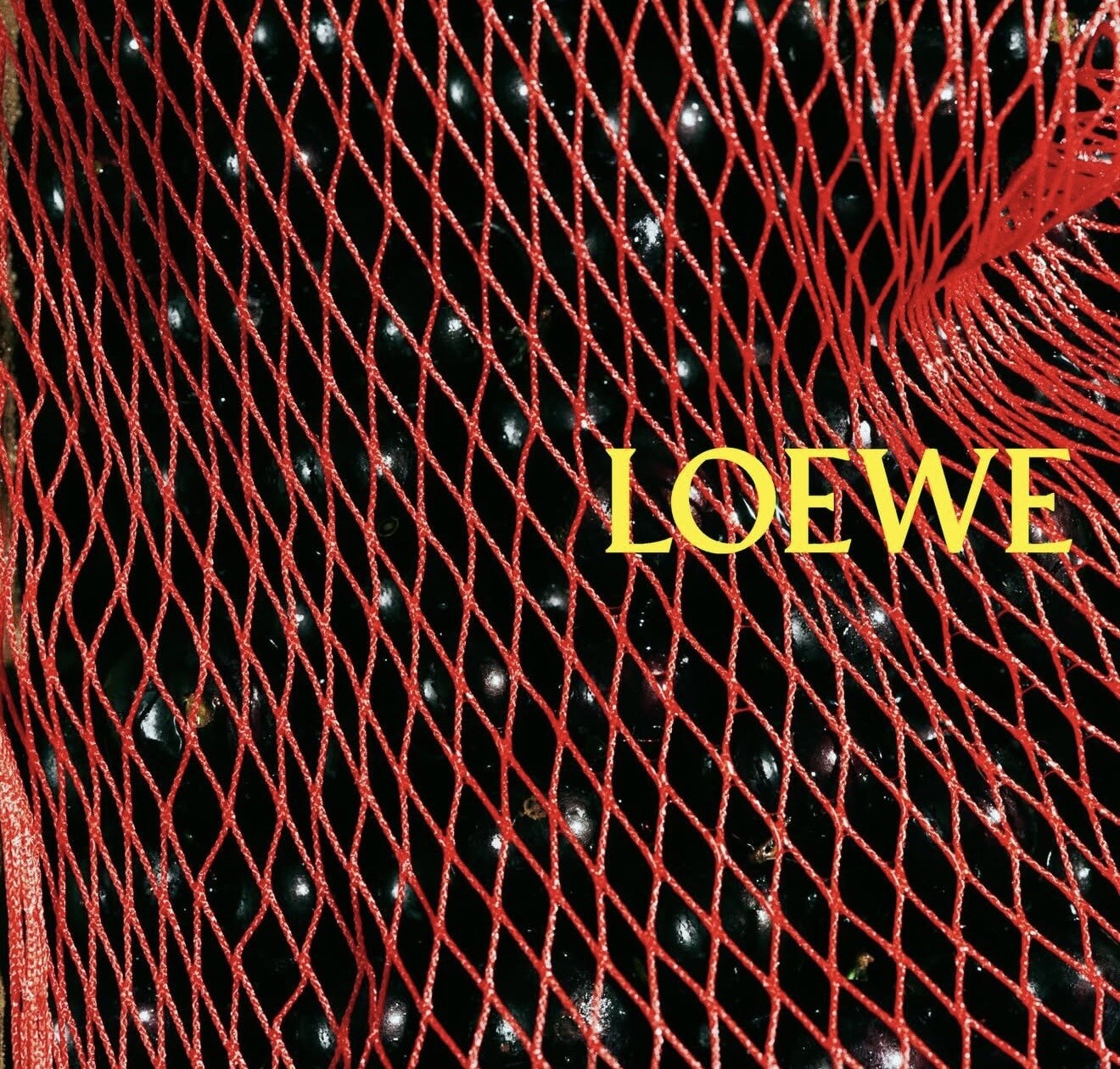
Photographed by Talia Chetrit, the campaign reframes Loewe’s identity through restraint rather
than spectacle. Colour becomes structure, and garments operate almost like moving sculptures.
Inspired by the minimalist painter Ellsworth Kelly, the collection leans into bold blocks of colour
and architectural silhouettes that emphasise shape over ornamentation.
Where Anderson often leaned into surrealism and conceptual storytelling, McCollough and
Hernández seem more interested in instinctive clarity. Their vision feels grounded in proportion
and construction — a dialogue between art and wearability that refuses theatrical excess while
still maintaining Loewe’s experimental spirit.
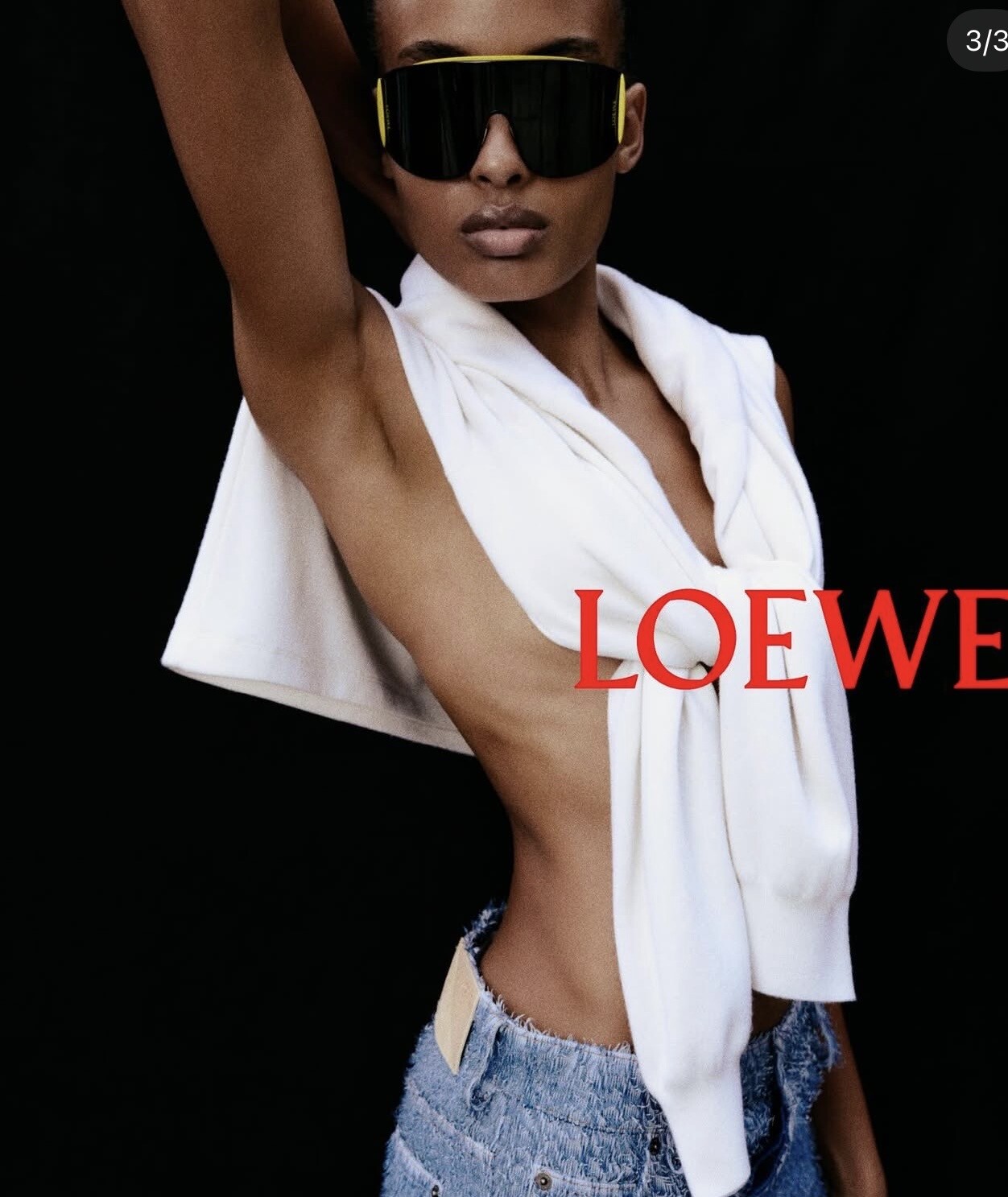
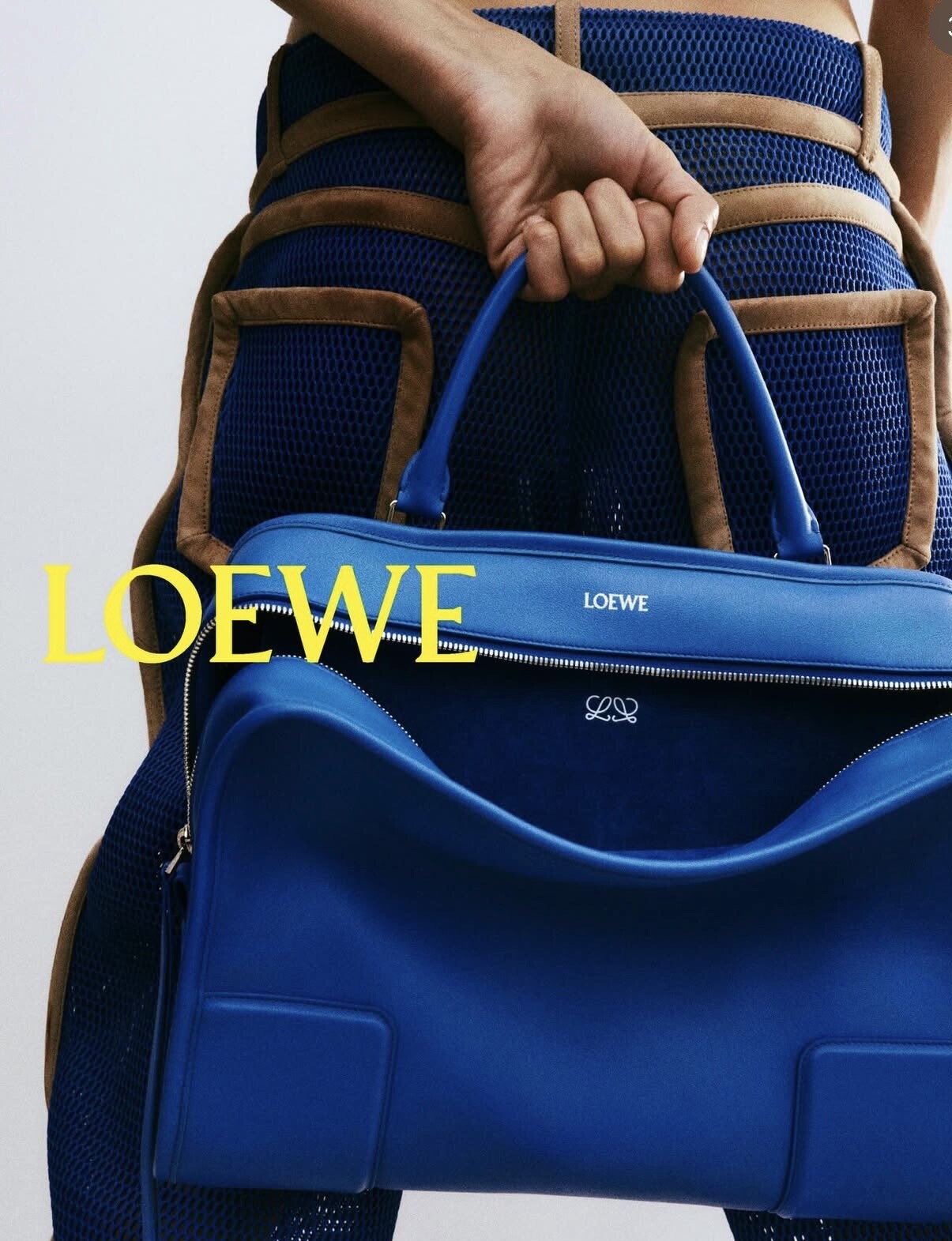
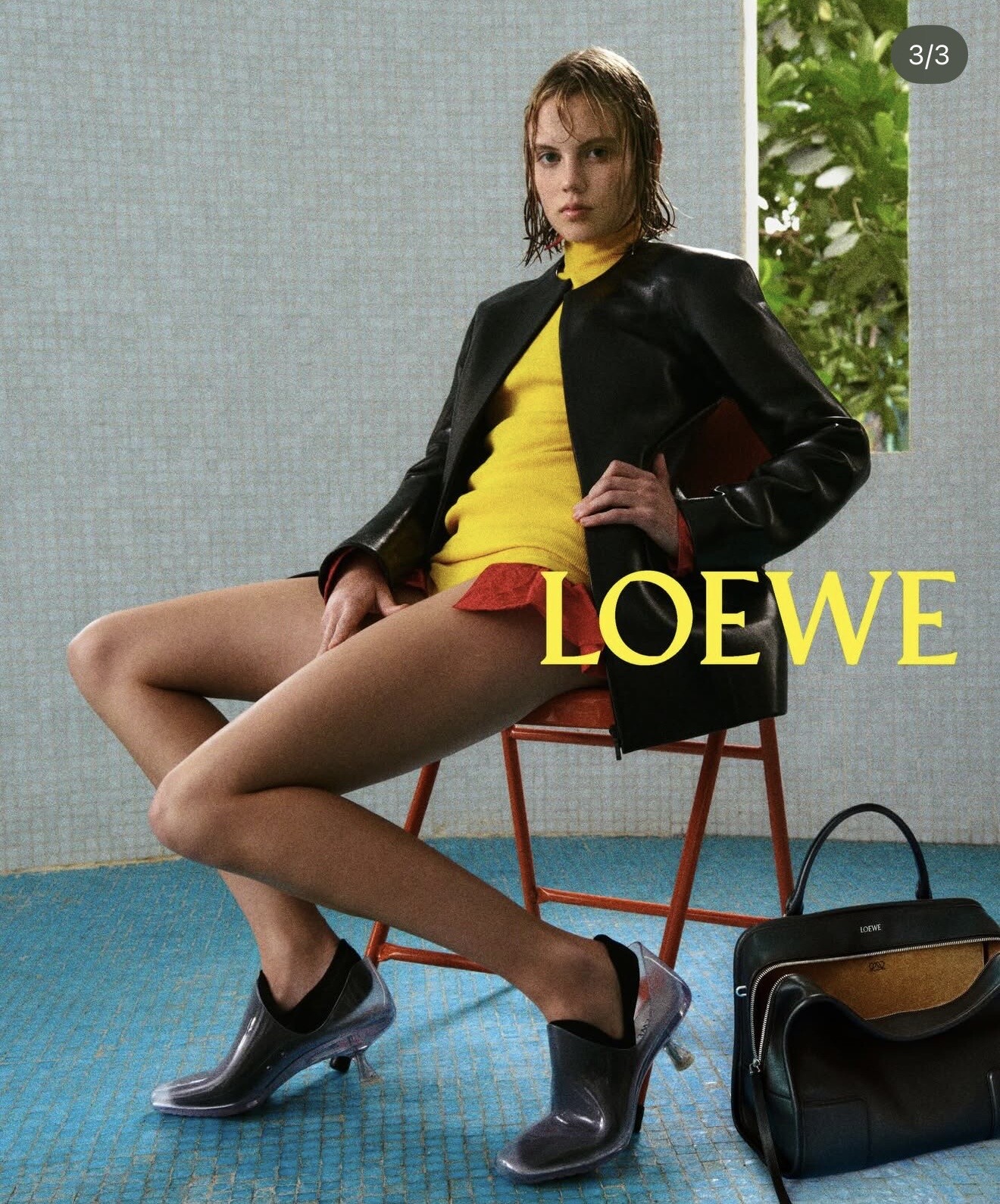
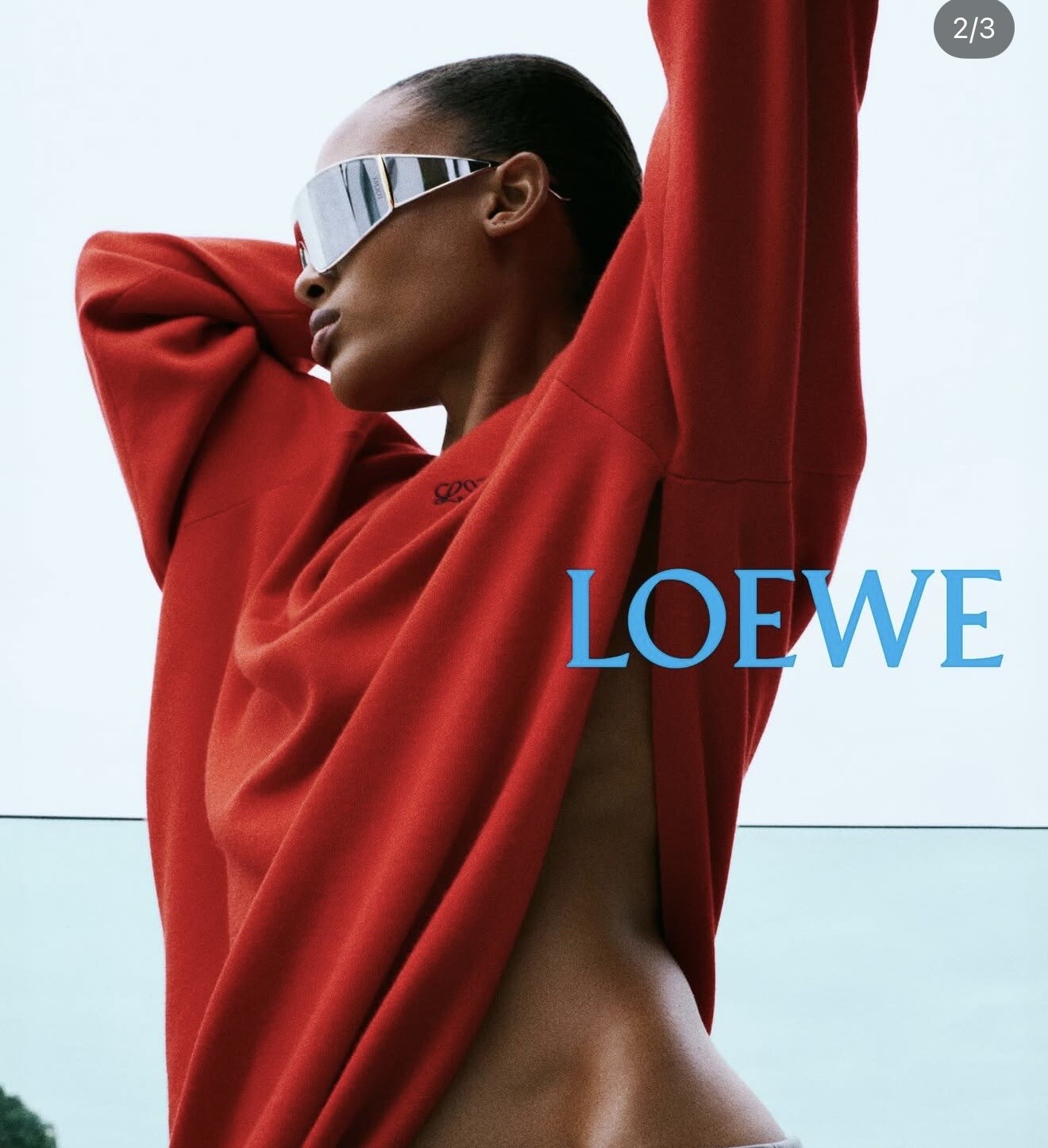
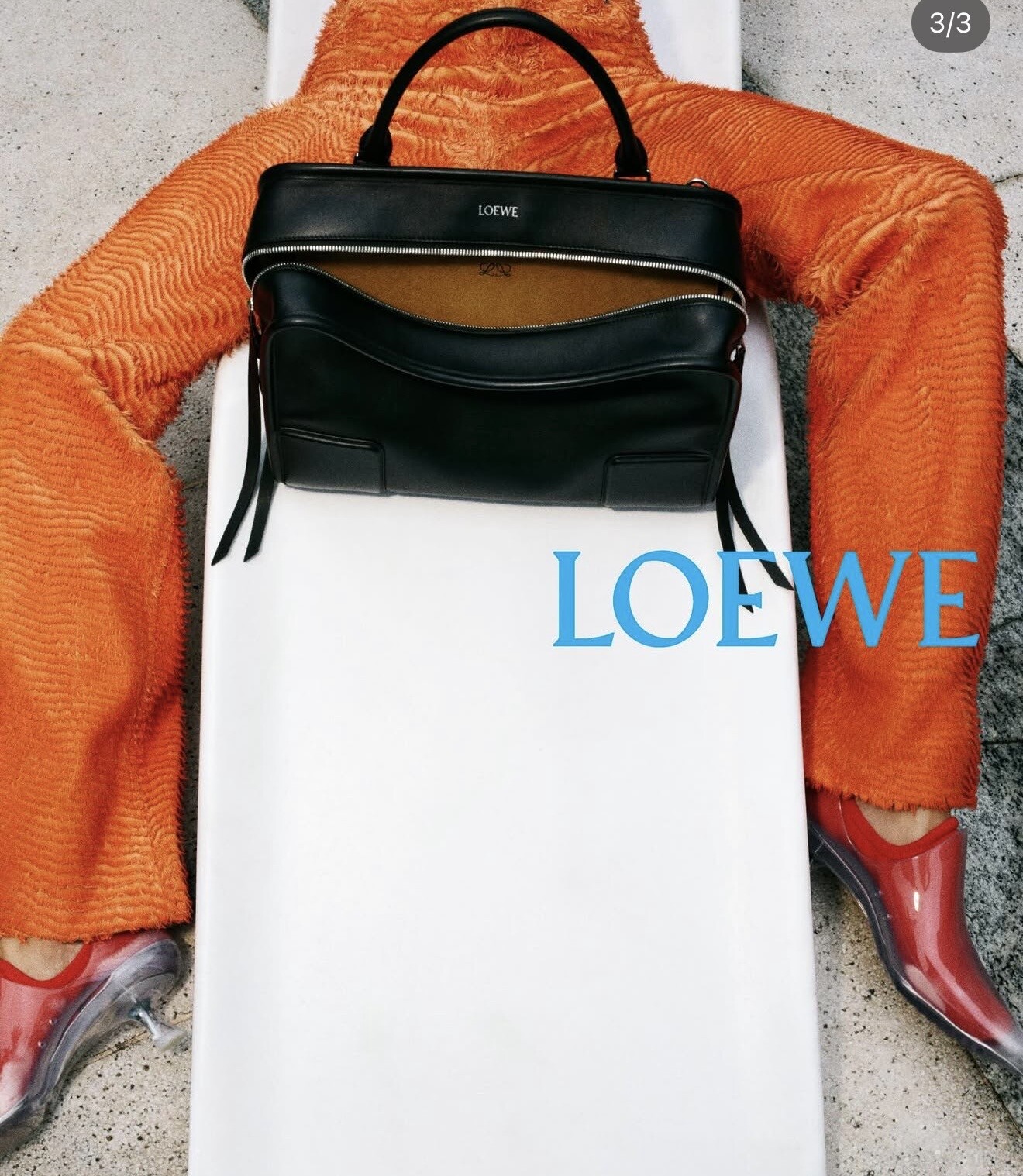
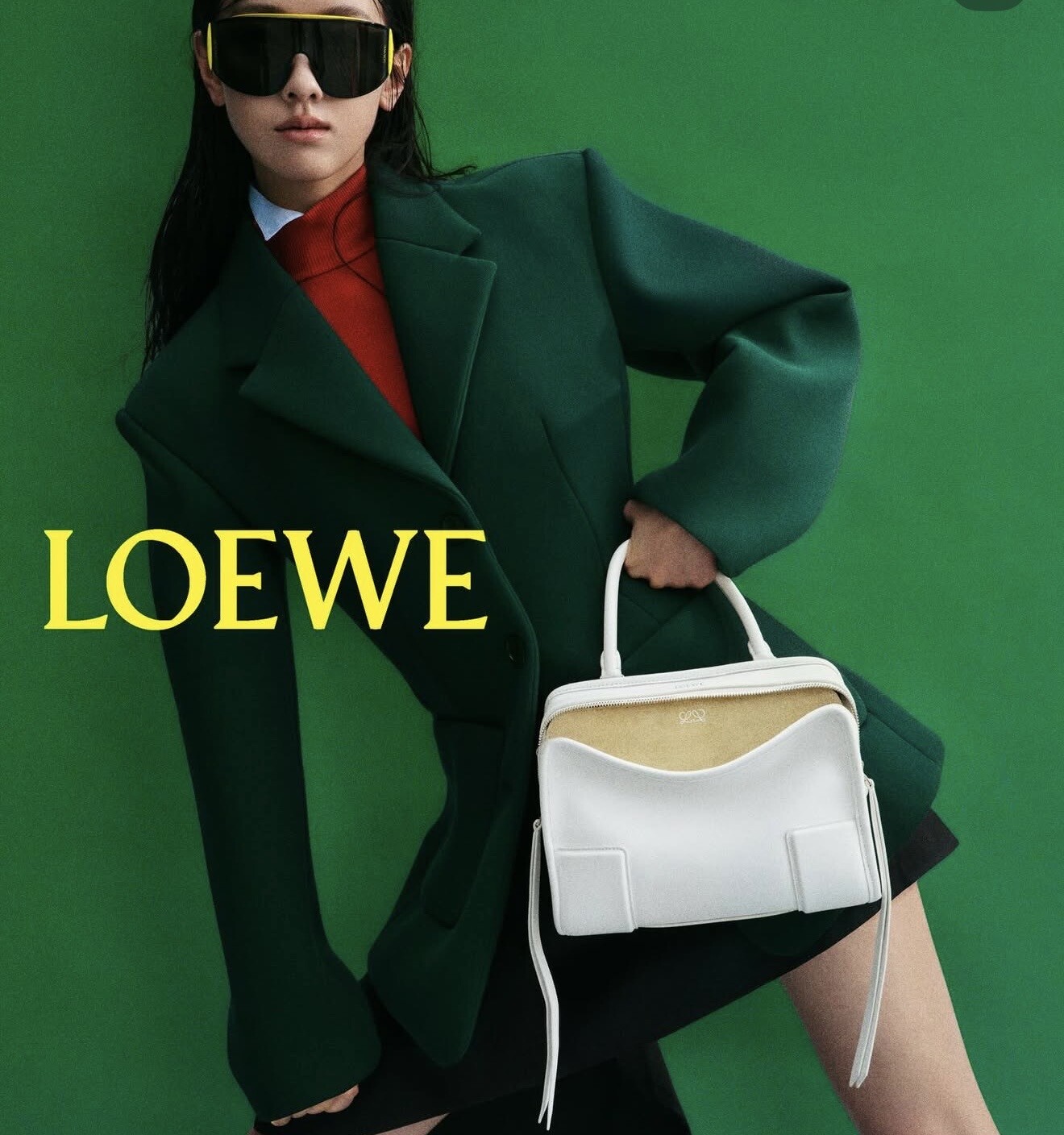
The most immediate shift appears in how colour is used. Rather than functioning as decoration,
colour becomes the central language of the campaign. Primary tones dominate — saturated
reds, vivid blues, sharp yellows — applied to garments that feel almost architectural in their
rigidity. The silhouettes evoke sculpture more than clothing, echoing Kelly’s abstract visual
language while maintaining Loewe’s precise craftsmanship.
There is an intentional flatness to the compositions. Models appear suspended within minimal
environments, allowing garments to speak without narrative distraction. It is a visual strategy that
aligns with contemporary luxury’s move toward clarity: less storytelling, more presence.
The weight of succession inevitably lingers. Taking over a house so deeply shaped by Jonathan
Anderson’s experimental vision brings comparison, yet McCollough and Hernández avoid direct
imitation. Their debut campaign acknowledges Loewe’s recent history while pivoting toward
something quieter and more composed.
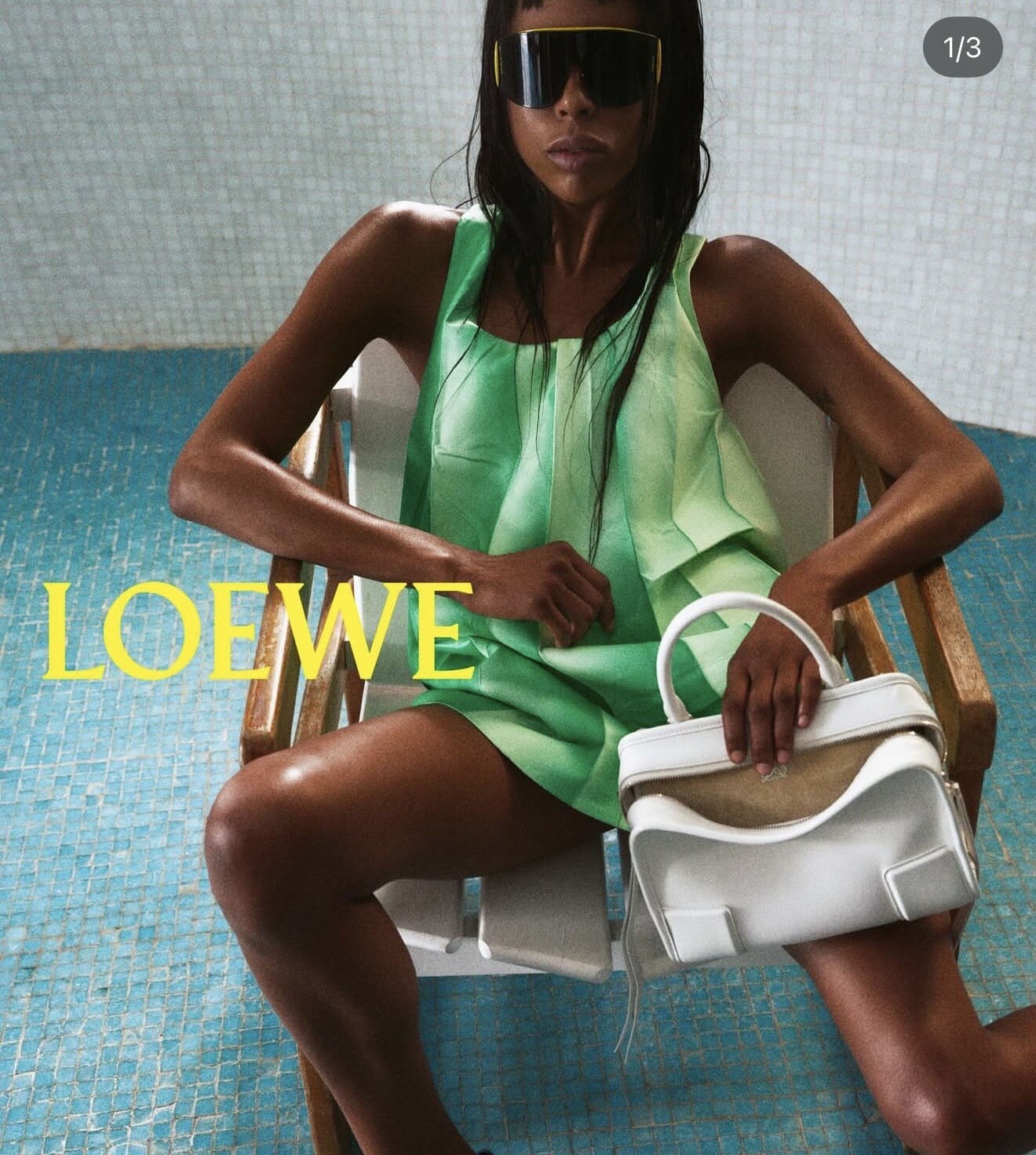
The garments still carry the house’s intellectual edge, but they speak in a different tone. The
emphasis shifts from surreal objects to controlled silhouettes. Volume becomes cleaner, lines
sharper, and the overall mood more introspective. Rather than chasing spectacle, the designers
propose a new kind of luxury: instinctive, minimal and grounded in visual precision.
Debut campaigns rarely function as definitive statements, yet this one feels intentional in its
restraint. It suggests a future where Loewe evolves without abandoning its identity, carving a
space between experimental design and commercial clarity.
The phrase instinctive modernity captures the essence of the transition. The designers appear
less concerned with rewriting Loewe’s narrative than with refining it — allowing the brand’s heritage to exist within a more distilled visual language.
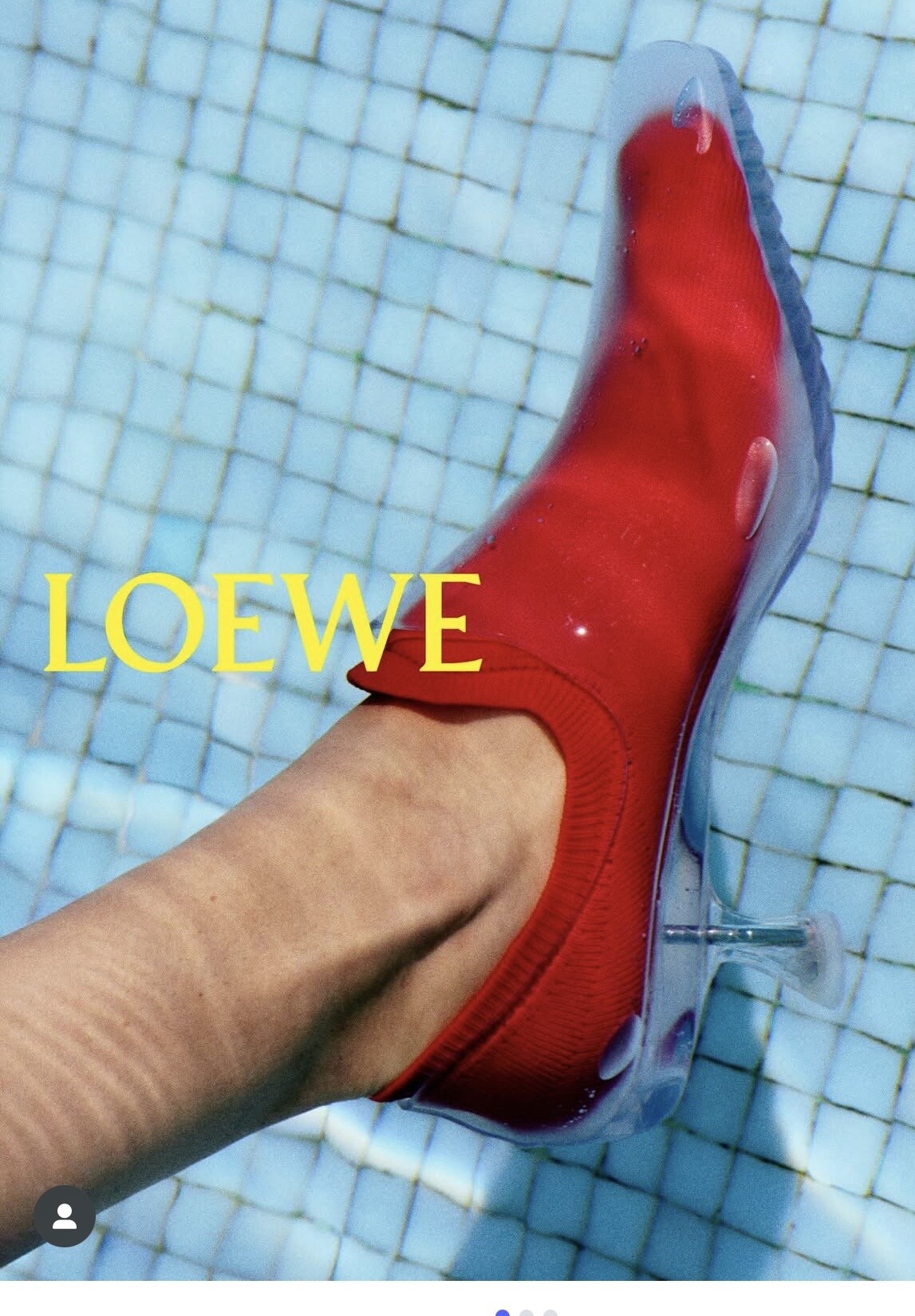
Perhaps the most compelling aspect of the campaign is its refusal to feel reactionary.
McCollough and Hernández do not attempt to erase what came before. Instead, they introduce a
softer evolution — a recalibration that prioritises clarity, proportion and colour as primary tools of
expression. If this debut is an indication of what’s to come, Loewe may be entering a phase
defined less by spectacle and more by precision.
Words by Fabiana Gutierrez