
Luxury hotels used to sell discretion. Thick carpets, neutral palettes, impeccable service designed to
disappear. Today, the most culturally relevant hotels operate very differently. They do not fade into
the background, they assert a point of view. Like fashion houses, they articulate identity through
space, atmosphere and ritual. Staying in them feels less like accommodation and more like
inhabiting a brand world.
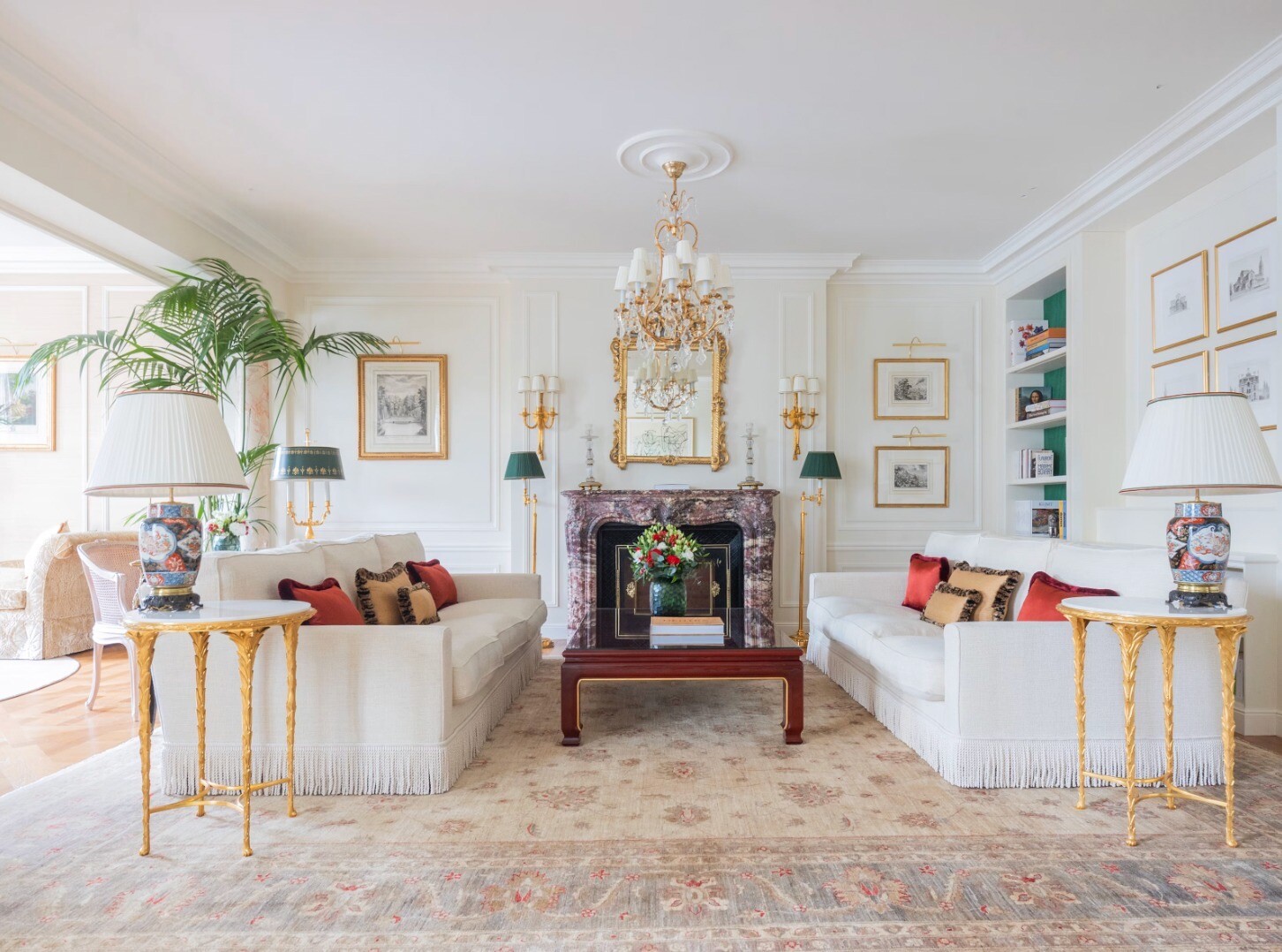
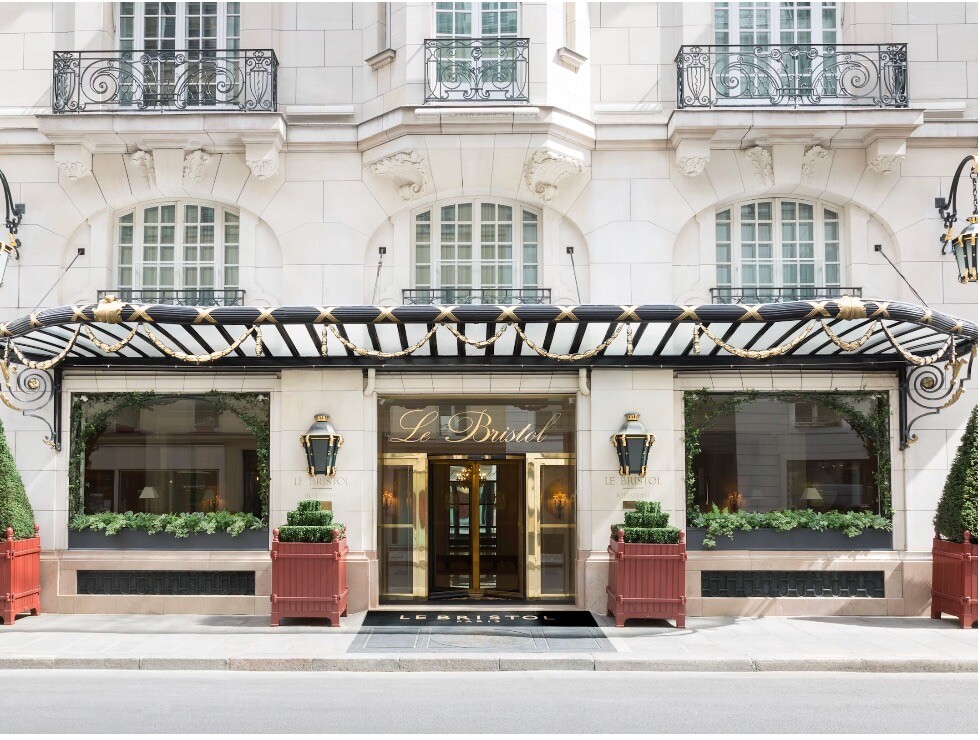
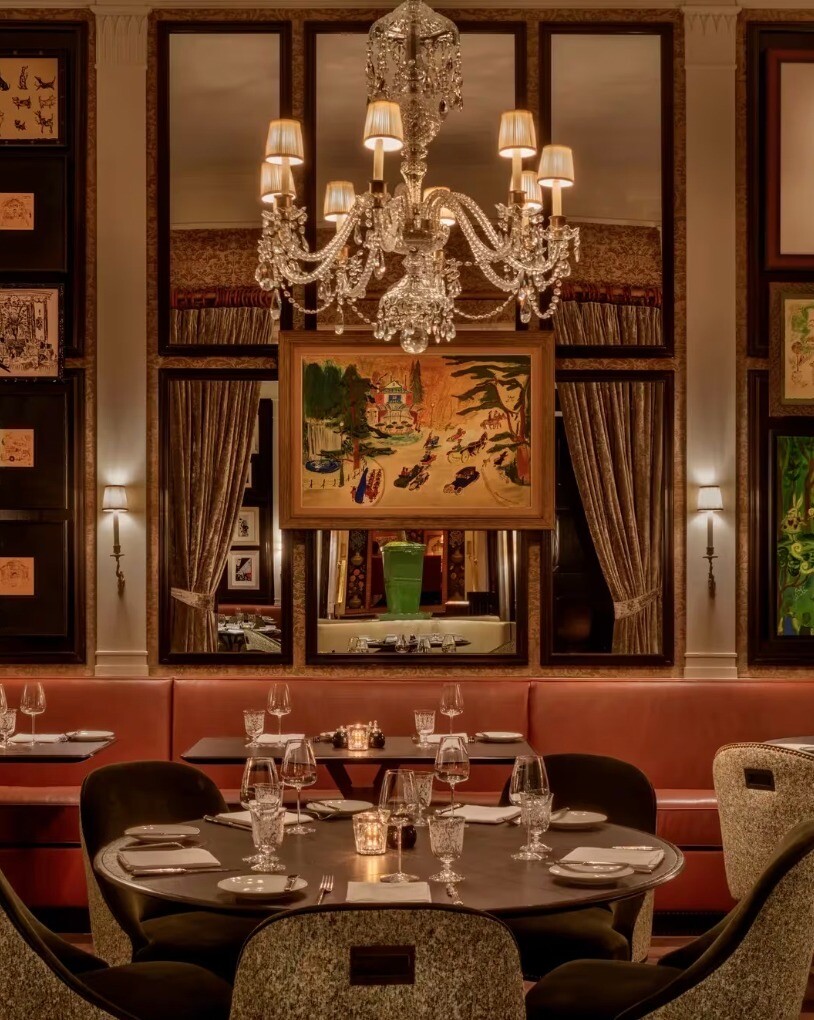
Take Le Bristol Paris. On paper, it is the epitome of old-world Parisian luxury: ornate mirrors,
classical proportions, historic pedigree. Yet staying there today reveals a much more nuanced
tension between heritage and modern relevance. The rooms are unapologetically traditional, but the
rhythm of the hotel has shifted. The courtyard hums quietly with editors and fashion executives
during couture week, laptops open beside porcelain coffee cups. There is a sense of continuity
rather than nostalgia, as if the hotel understands that its power lies not in reinventing itself, but in
becoming a stable reference point in an otherwise frantic industry. Like a maison that refuses trendchasing, Le Bristol’s luxury is confidence through consistency
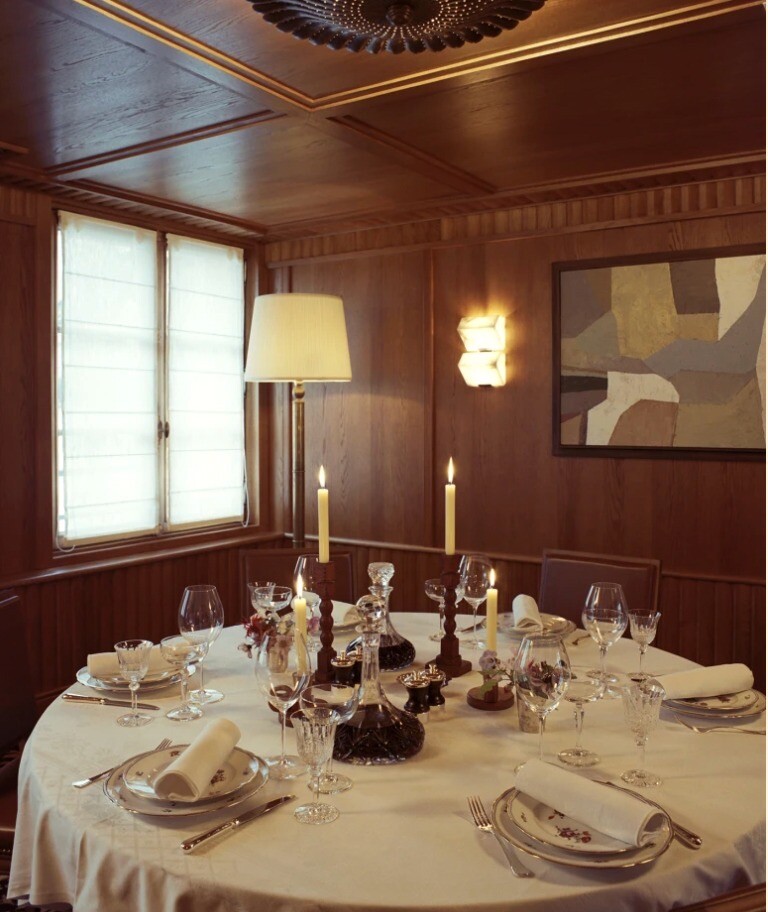
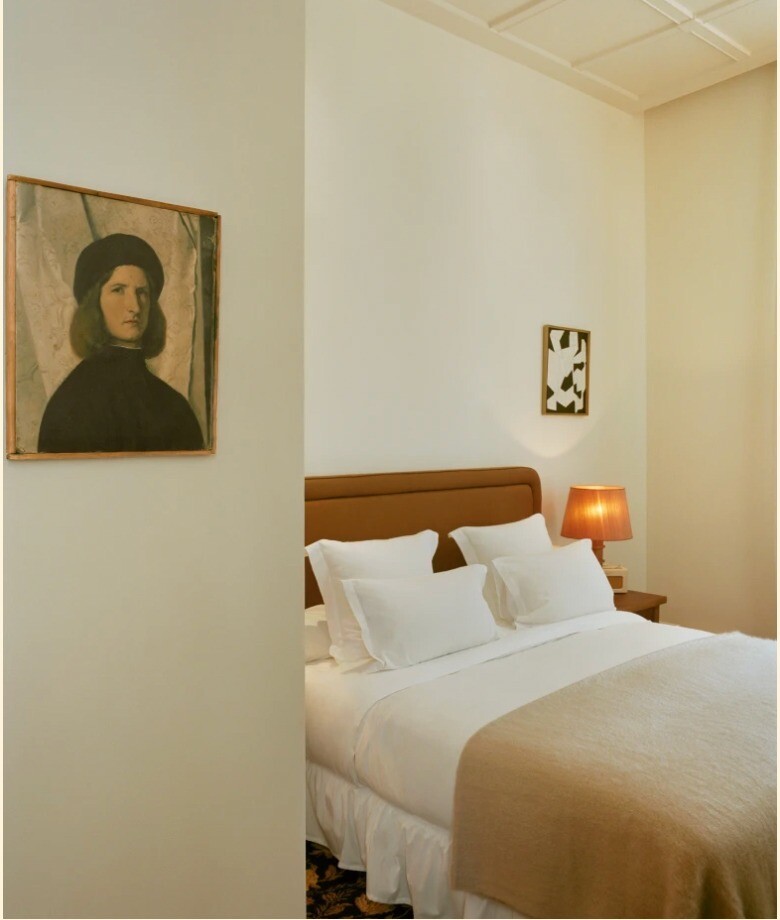
Contrast that with Château Voltaire, which feels almost deliberately designed for the fashion crowd.
Created by Zadig & Voltaire founder Thierry Gillier, the hotel behaves less like a hotel and more
like an editorial set. The rooms are intimate, intentionally restrained: soft linens, muted tones,
furniture that looks collected rather than purchased. There is nothing overtly grand, yet everything
feels considered. Staying there feels like stepping into a Parisian apartment styled by someone with
impeccable taste but no interest in display. It’s the hotel equivalent of a perfectly cut blazer worn
with nothing flashy underneath: quiet, controlled, deeply coded.
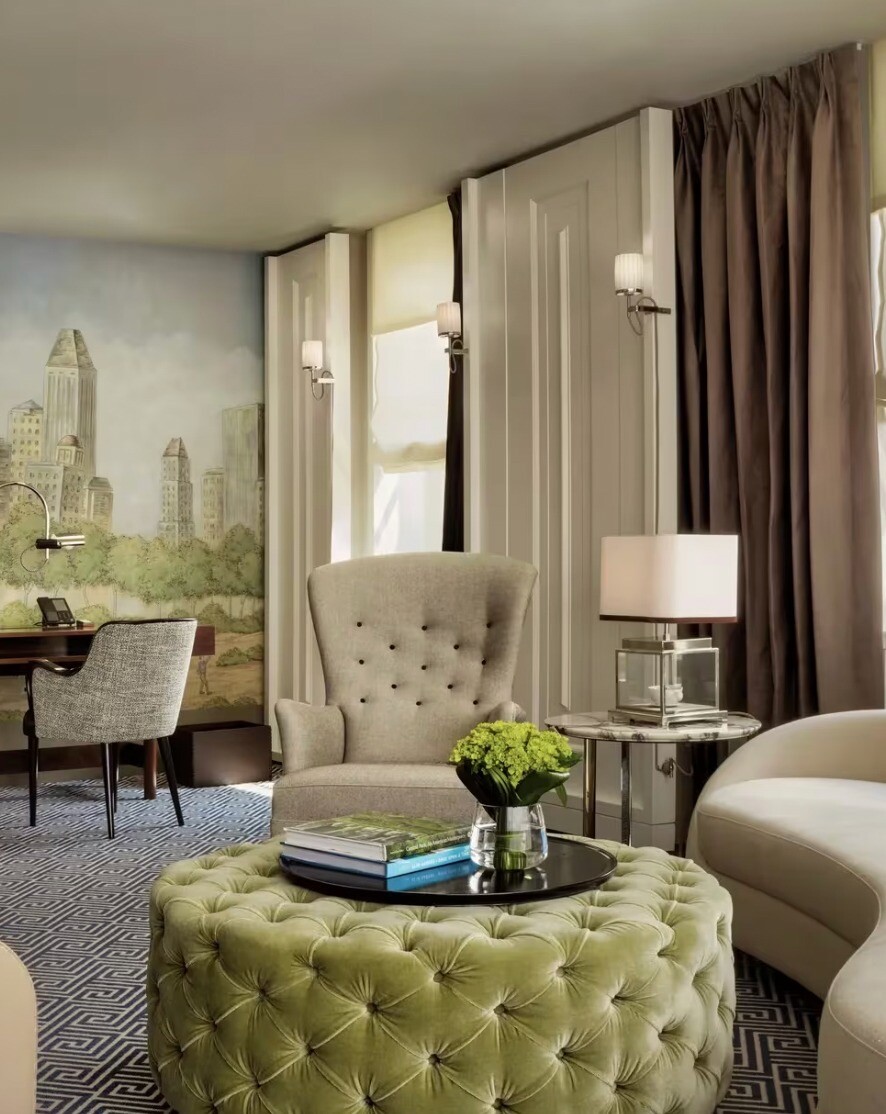
Then there is The Carlyle, a hotel that understands the theatre of ritual better than almost anywhere else. The experience is not just about the room, but about repetition and memory. The elevators feel ceremonial. The corridors echo with decades of cultural history. Sitting at Bemelmans Bar at night, surrounded by murals and hushed conversation, feels like participating in a lineage rather than consuming a service. Much like a heritage fashion house, The Carlyle trades in continuity. It doesn’t chase relevance, relevance comes to it.
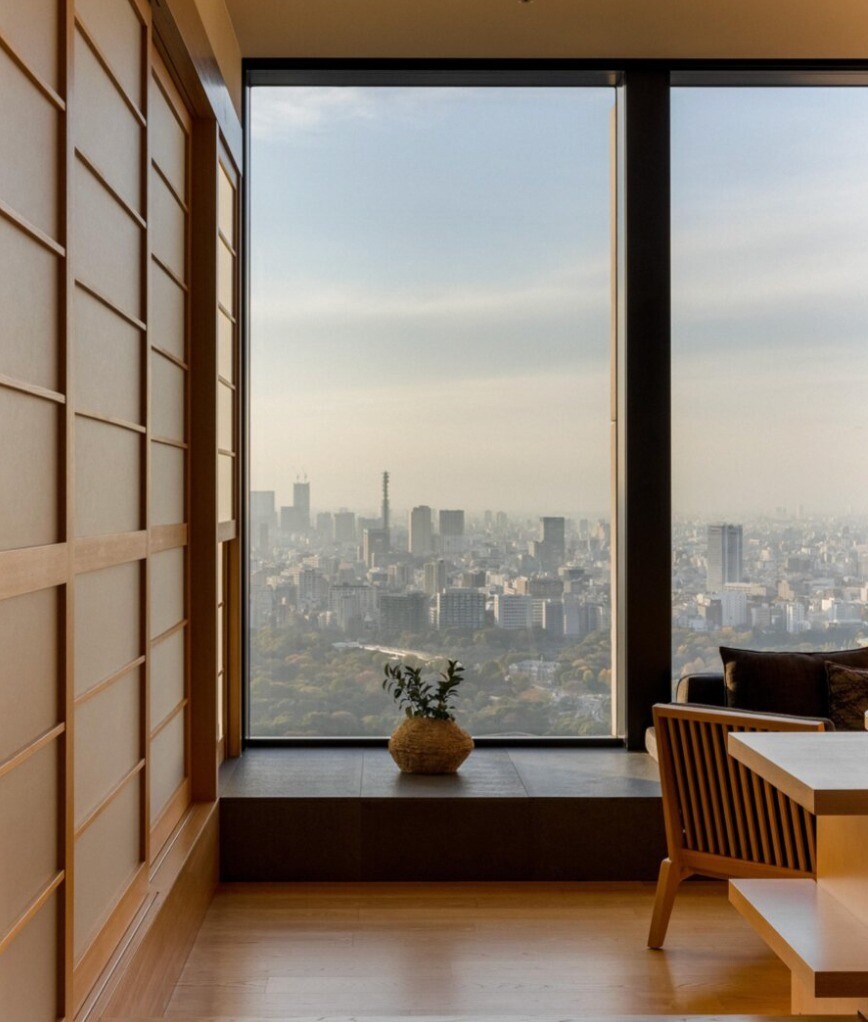
For a more contemporary expression of this idea, Aman Tokyo offers an entirely different kind of authorship. Staying there feels like entering a sanctuary engineered for sensory recalibration. The lobby is vast and almost monastic, light filtering through washi-inspired textures. Rooms are stripped back to essentials: wood, stone, space, silence. Luxury here is absence — the removal of visual noise. Like modern fashion that prioritises cut over embellishment, Aman Tokyo designs through restraint. You leave feeling not impressed, but realigned.
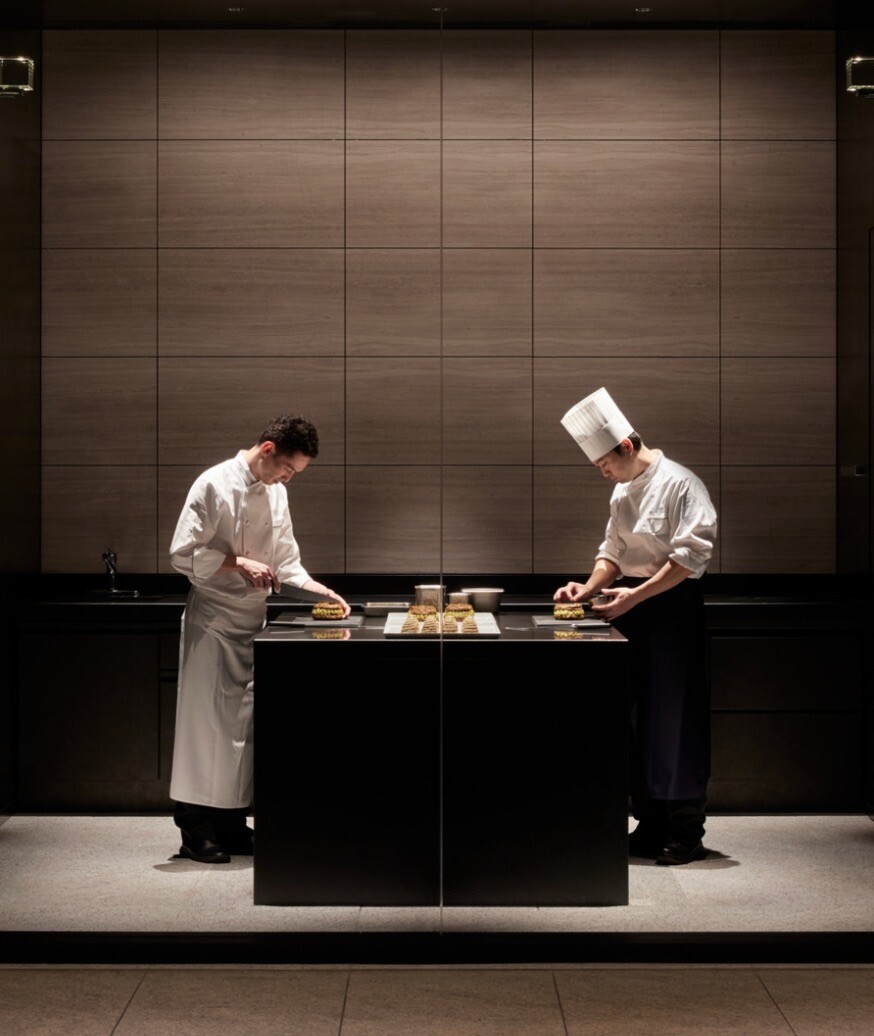
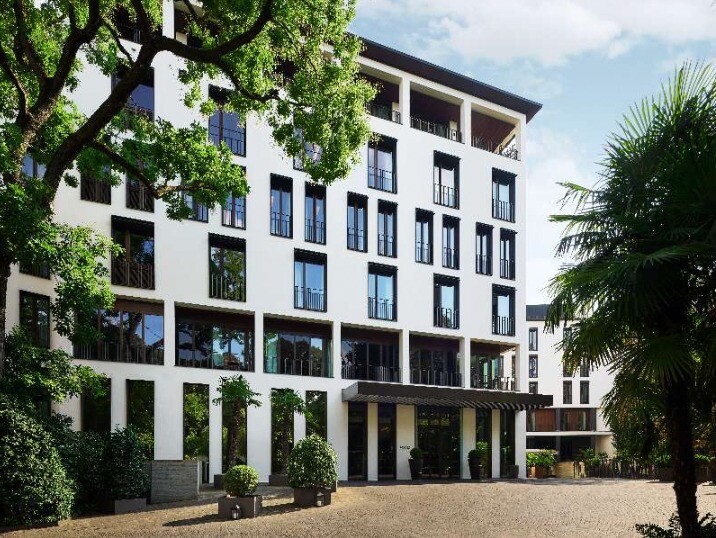
In Milan, Bulgari Hotel Milano functions as a bridge between fashion, business and social performance. Hidden behind a discreet entrance, the hotel opens into a private garden that feels like a secret shared among insiders. During fashion week, breakfast turns into an informal boardroom; dinner becomes a networking ritual. The rooms are understated but impeccably material-driven — heavy woods, stone bathrooms, tactile fabrics. Staying there feels strategic, not indulgent. It’s luxury as infrastructure, much like a fashion brand whose power lies in network and positioning rather than spectacle.
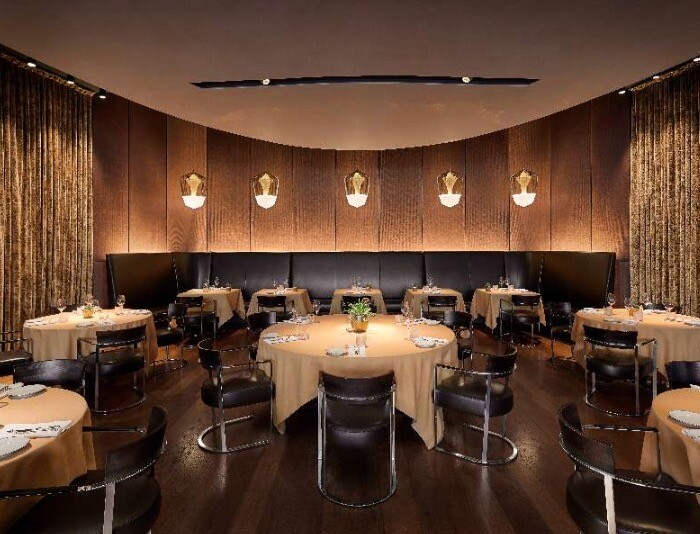
What unites these hotels is not aesthetic similarity, but intentionality. Each knows exactly who it is for and what kind of world it is offering. Like fashion houses, they communicate values through detail: how light enters a room, how staff interact, how public and private spaces are calibrated. There is choreography involved — a sense that the guest is moving through a designed narrative. This is why hotels have become such powerful cultural symbols. They are no longer neutral. They take sides. They align with certain lifestyles, industries, rhythms of living. Choosing where to stay has become as expressive as choosing what to wear. In this new luxury landscape, the hotel is no longer a backdrop. It is a protagonist. And for those fluent in its language, staying somewhere is not about escape, it is about belonging to a world that makes sense.
Words by Fabiana Gutierrez