
In a fashion ecosystem increasingly driven by algorithmic spectacle, virality, and accelerated trend
cycles, Pharrell Williams’ Louis Vuitton Fall–Winter 2026 menswear collection arrives with an
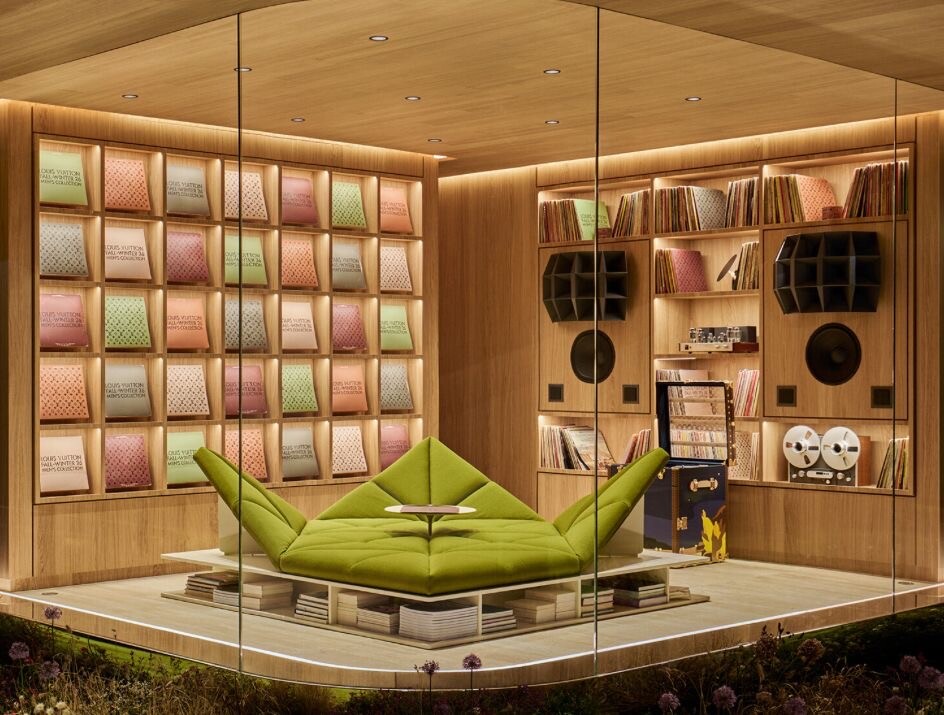
almost disarming calm. Presented during Paris Fashion Week, the show unfolded around
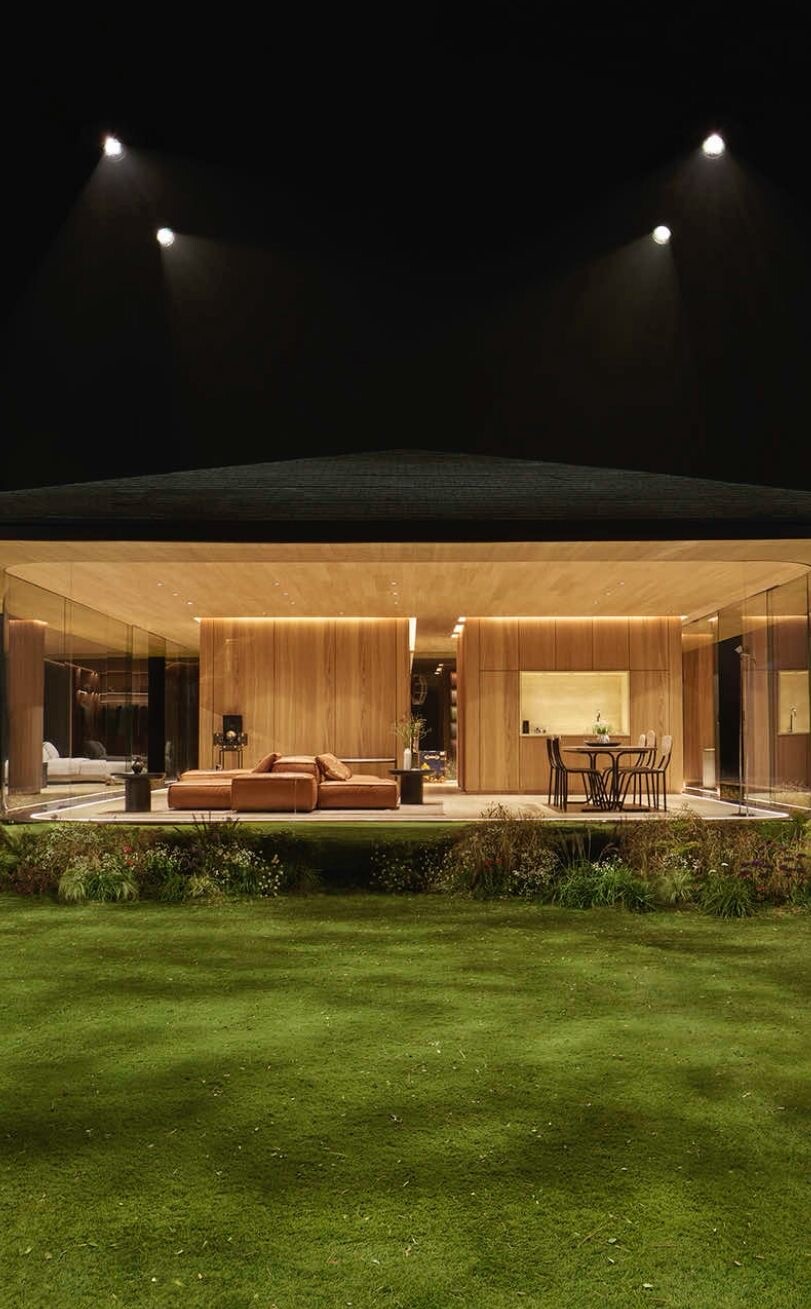
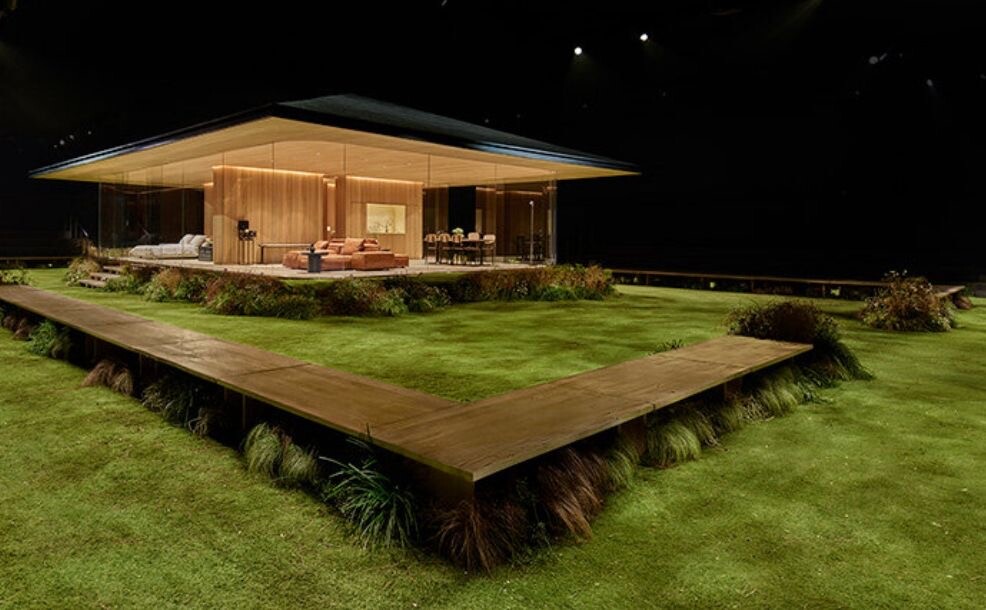
DROPHAUS. A prefabricated modernist home that functioned as both architectural installation and
conceptual frame. A foreshadowing that this was a collection concerned not with theatrical
disruption, but with how clothes inhabit life.Since assuming creative direction at Louis Vuitton menswear, Williams has operated within one of the most commercially powerful fashion systems in the world. A house where visibility, branding, and cultural scale are inseparable from design. FW26 marks a shift away from overt symbolism and headline-driven moments toward something quieter, more composed, and arguably more conservative. The question becomes not whether the collection is elegant (it is), but what such elegance signifies in an industry that increasingly rewards provocation over permanence. It seems the LV might be jumping in the bandwagon in a parade that is all about honouring creativity and craftsmanship.
Architecture as Concept, Not Spectacle
The show’s setting – DROPHAUS – borrowed heavily from mid-century modernist ideals:
transparency, modularity, functional beauty. Architecture here was not ornamental but ideological,
echoing the logic of designers such as Donald Judd or Mies van der Rohe, where form follows lived
use rather than symbolic excess. The house staged fashion not as fantasy, but as extension of
domestic and social life. This spatial framing positioned the garments as part of an ecosystem rather than as isolated statements. It also subtly distanced the collection from the hyper-theatrical runway spectacles that dominate luxury marketing today. Williams seems to be recalibrating Louis Vuitton’s visual language away from Instagram immediacy toward something slower, more materially grounded. However, one could argue that the very act of staging minimalism at Vuitton’s scale inevitably neutralises its radical potential. What once functioned as critique in modernist art becomes
aestheticised comfort when absorbed into global luxury machinery.
Silhouette: Soft Authority and the Post-Streetwear Body
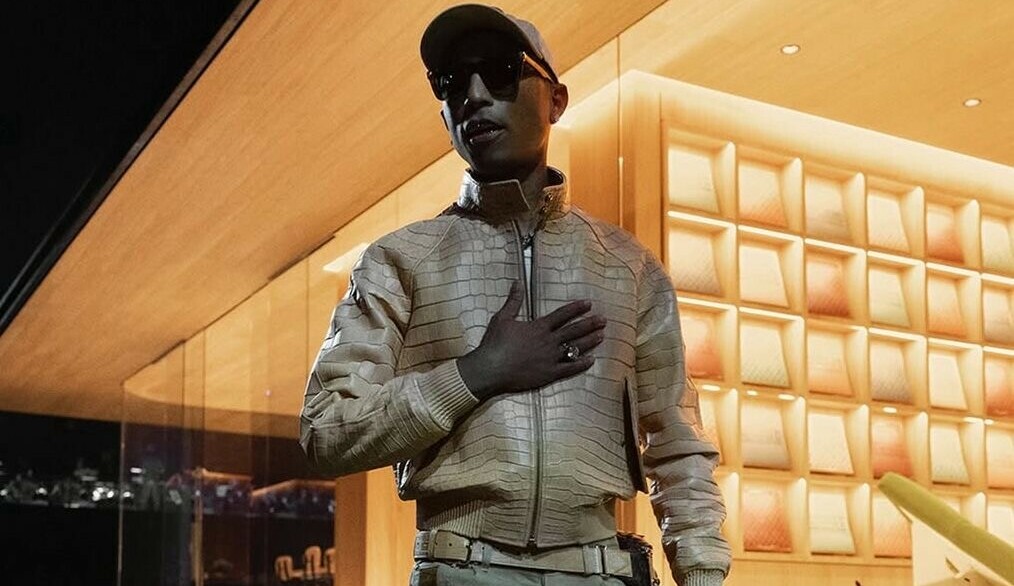
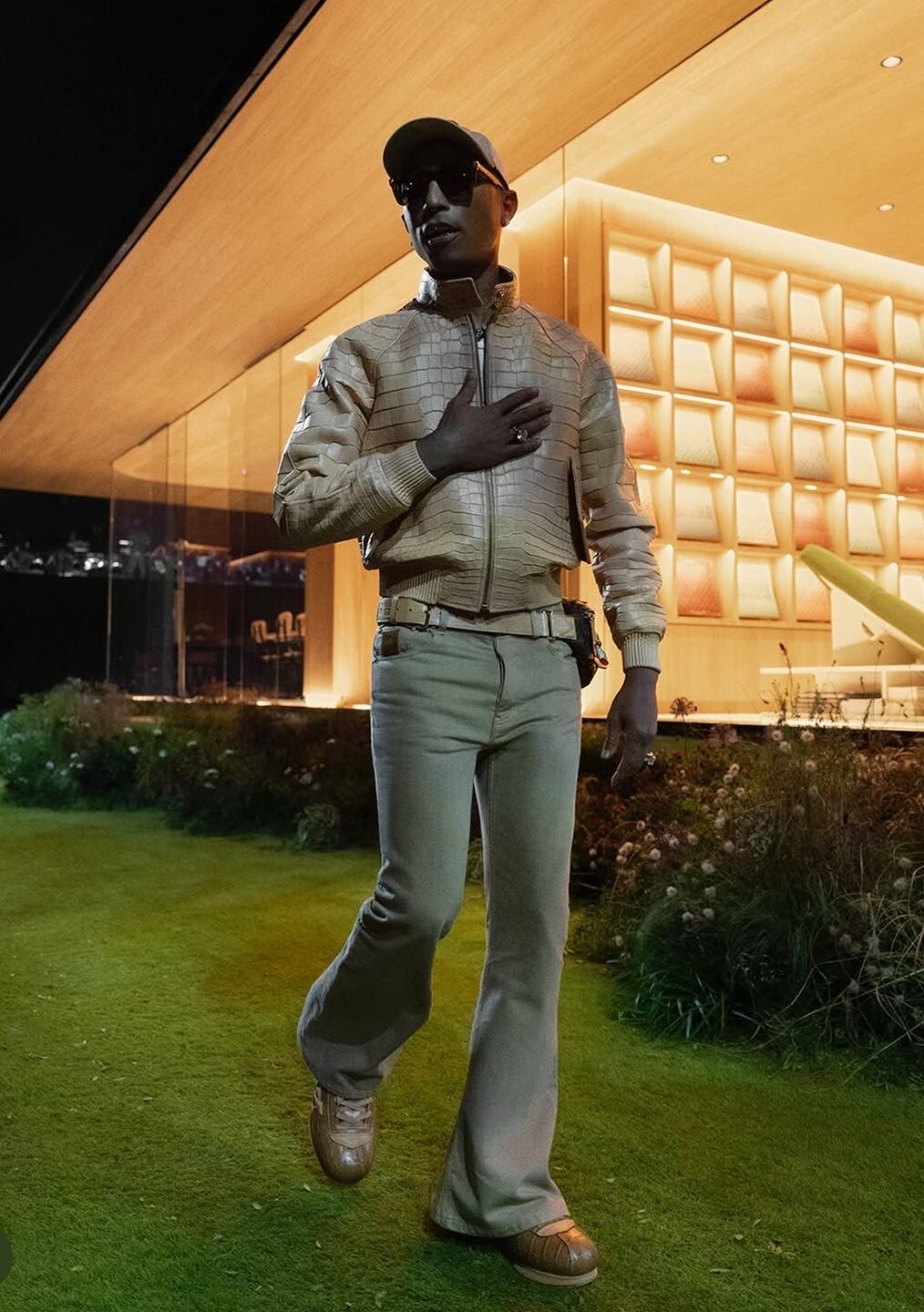
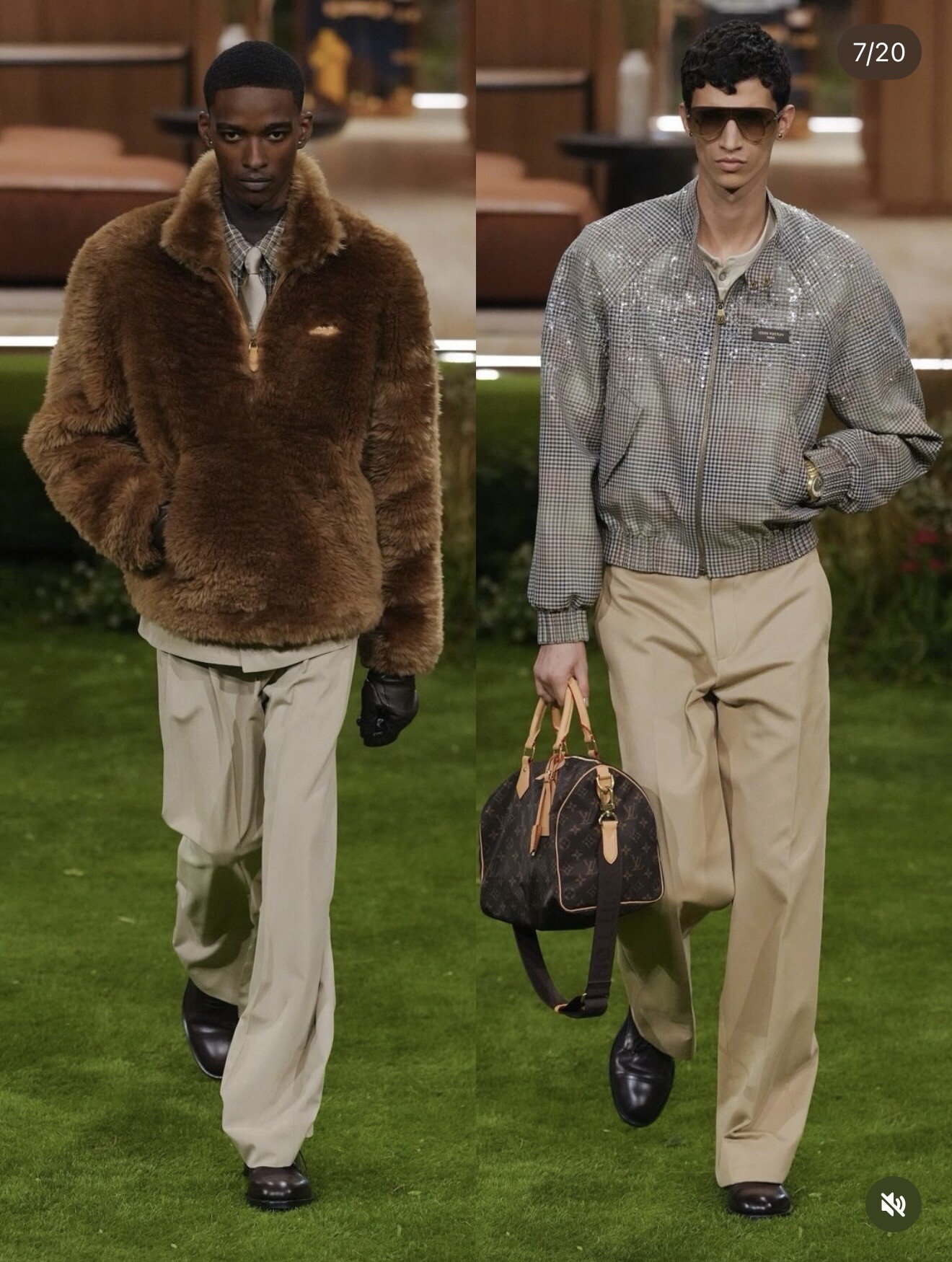
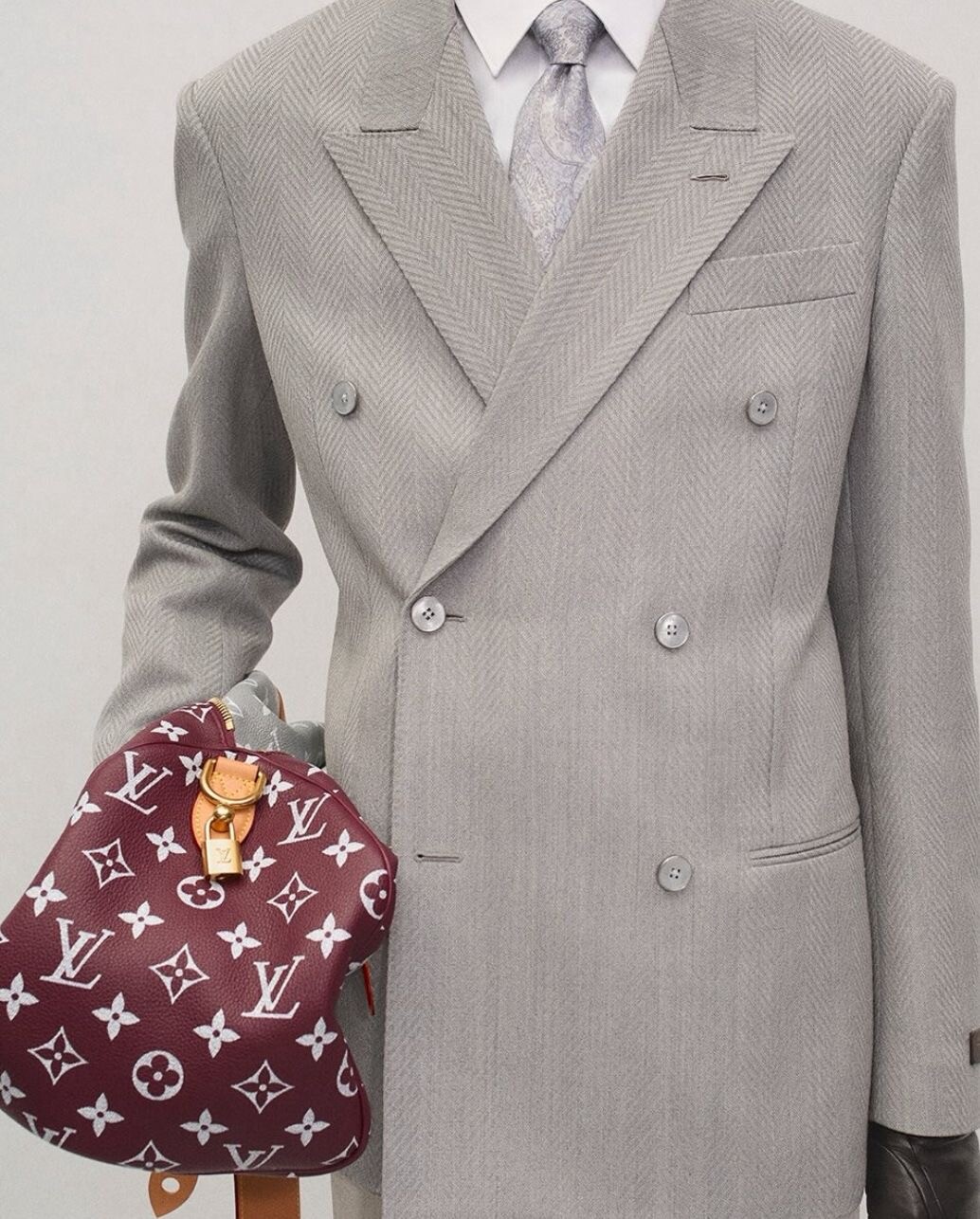
The silhouettes in FW26 favours tailoring that is relaxed but controlled. Jackets draped instead of
sculpted, trousers move fluidly rather than assert rigidity. The masculine body here is neither hyper athletic nor aggressively coded. It is composed, mobile, and emotionally neutral. A real
interpretation of masculinity with all of its nuances. This marks a departure from the oversized streetwear vocabulary that defined luxury menswear throughout the late 2010s and early 2020s. Instead, Williams gestures toward a post-streetwear masculinity aligned more closely with contemporary lifestyle luxury than youth subculture. The shift reflects broader market movements: consumers increasingly seek longevity, versatility, and material value over logo-centric novelty.
This recalibration also raises questions of creative risk. The collection’s silhouettes, while refined,
rarely challenge the conventions of tailoring or proportion in ways that push the discipline forward.
Compared to designers like Rei Kawakubo, Raf Simons, or even contemporary innovators working
with structural experimentation, FW26 remains safely within the boundaries of recognisable luxury.
Pattern Cutting as Invisible Discipline Where the collection finds intellectual credibility is in its pattern logic. Construction priortises mobility and bodily accommodation rather than visual aggression. Sleeves are articulated for movement, shoulders softened to allow natural posture, and volumes positioned strategically rather than theatrically.
This approach aligns with a growing industry conversation around wearability as ethics. Garments
designed merely for image production are out. In a market saturated with disposable fashion cycles,
such restraint carries authority. Nevertheless, invisibility can also dilute authorship. The refinement
is evident to trained eyes, but its subtlety risks being lost within Vuitton’s mass-scale consumption
context, where craftsmanship often becomes secondary to brand recognition.
Materiality and the Aesthetics of Ageing Material choices reinforce the collection’s commitment to longevity. Leathers are supple rather than lacquered; wools and suedes invite touch and wear rather than display perfection. The emphasis on patina suggests a philosophy closer to Japanese wabi-sabi than European luxury gloss. There is an appreciation for ageing as aesthetic evolution rather than degradation.
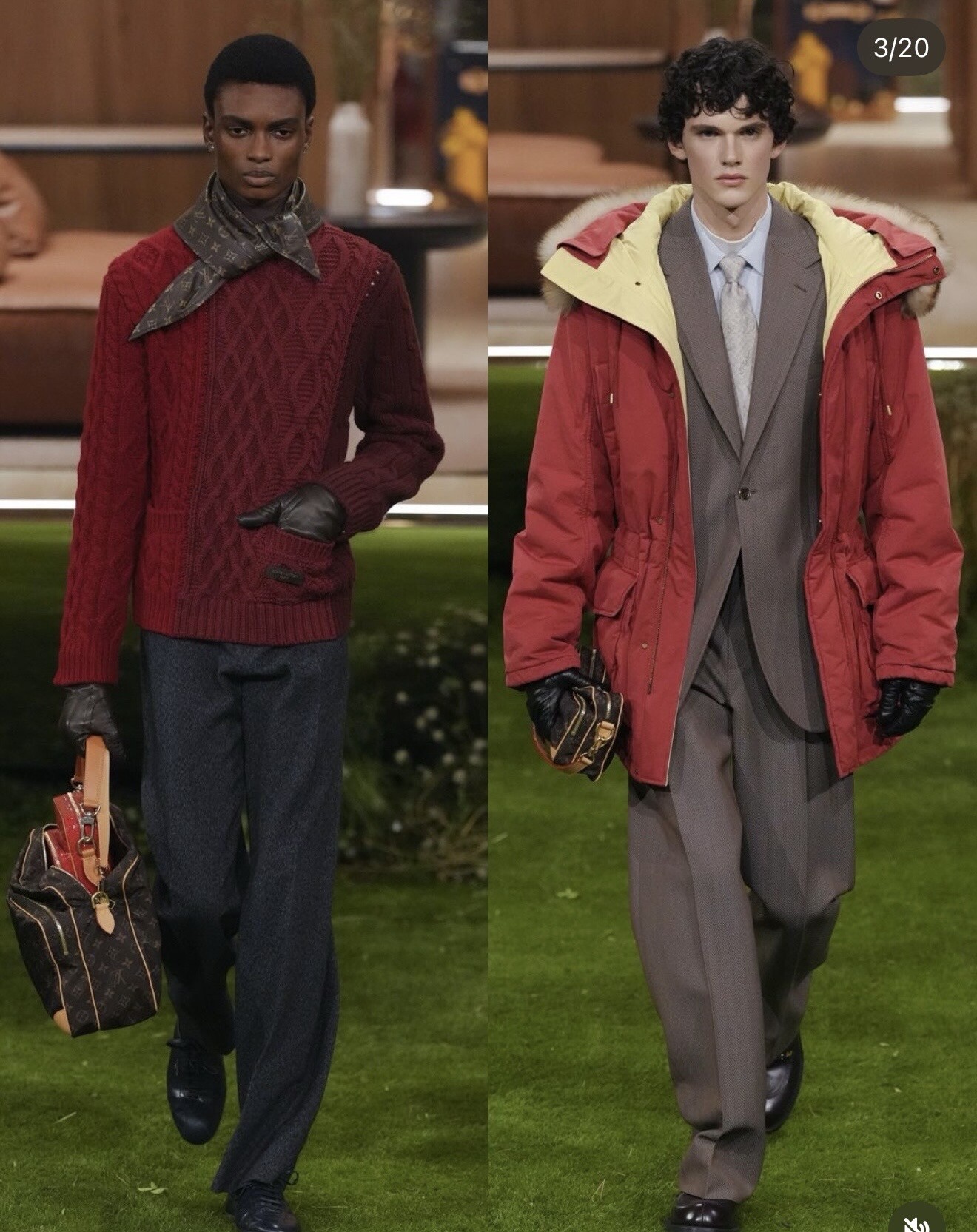
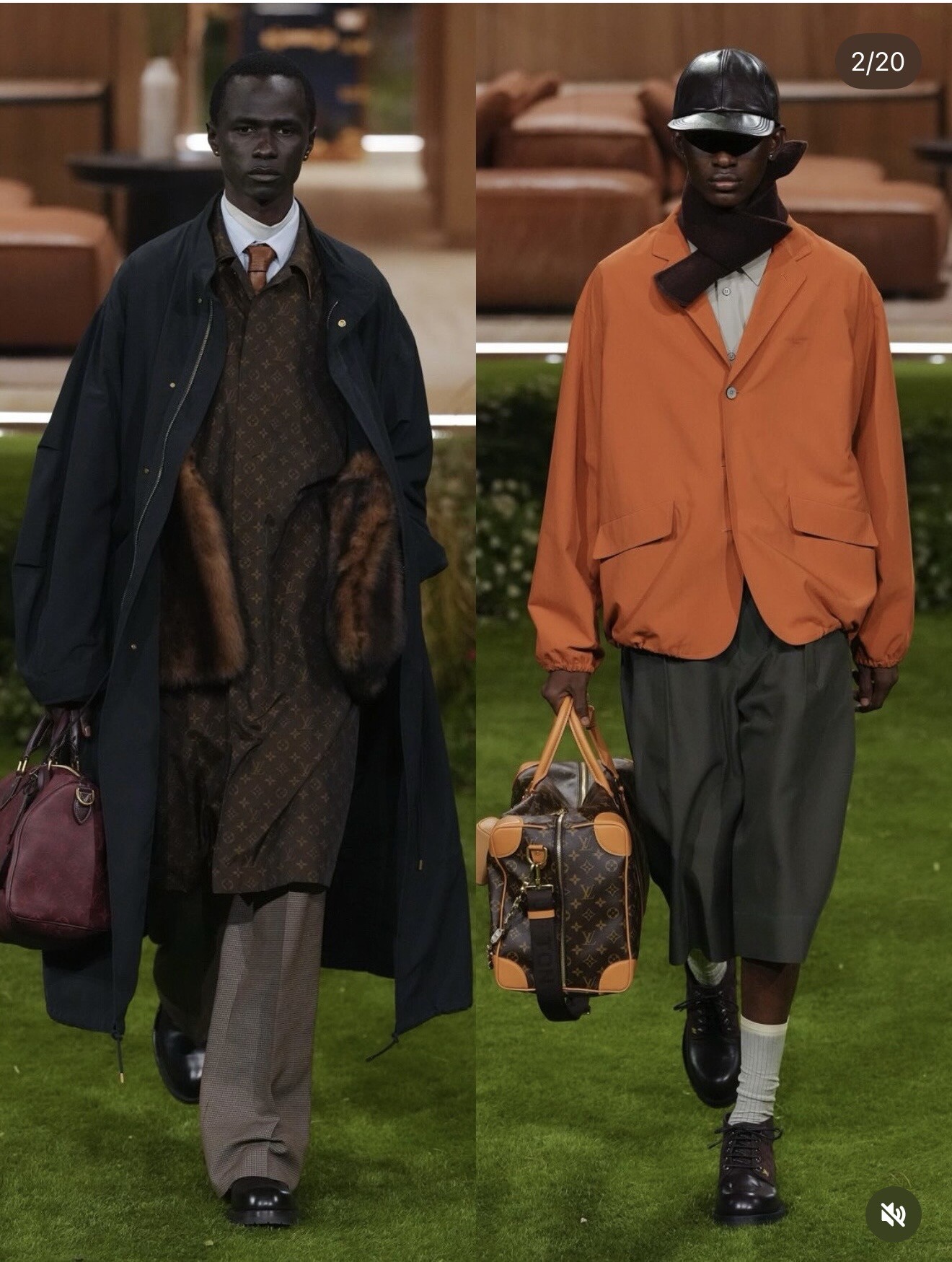
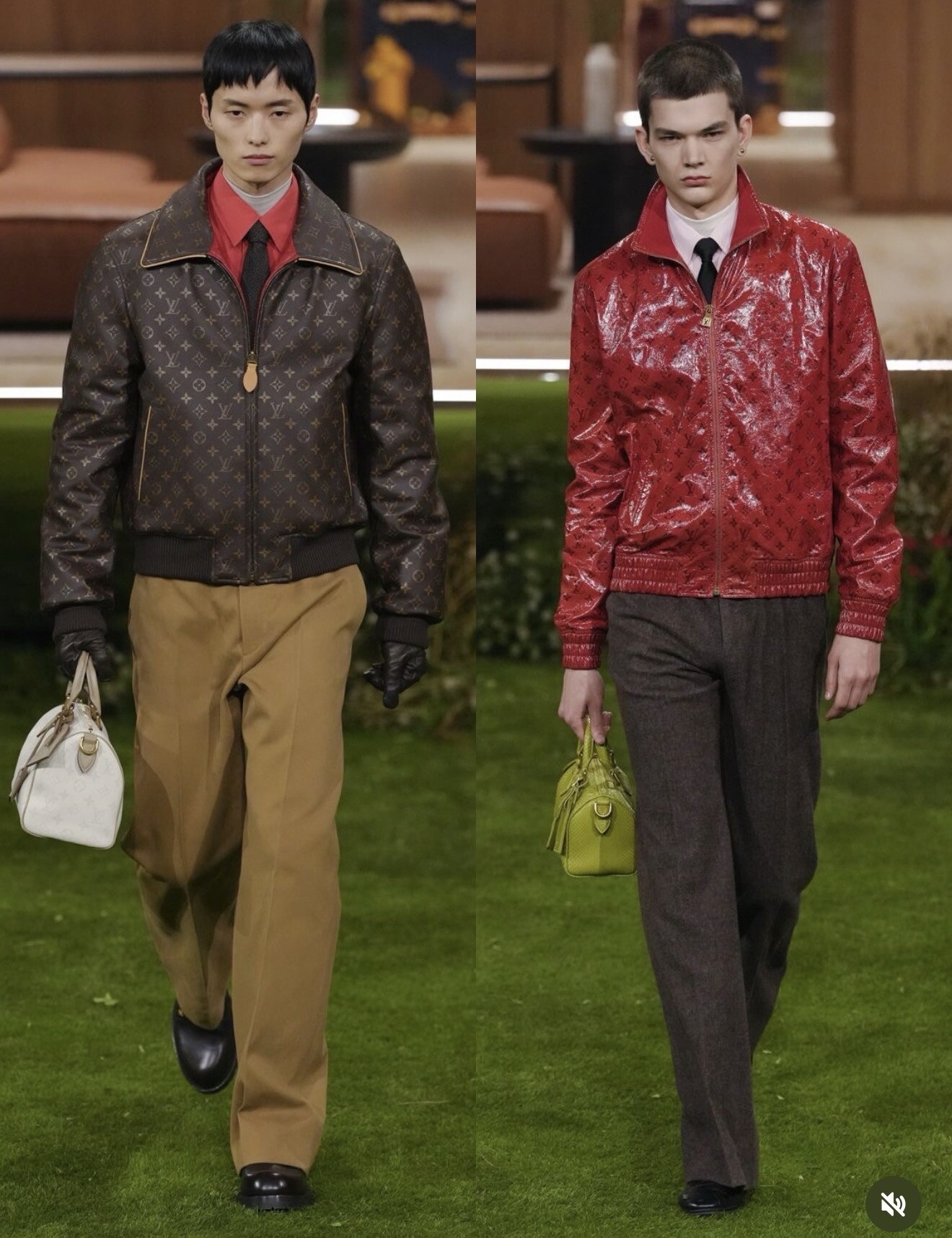
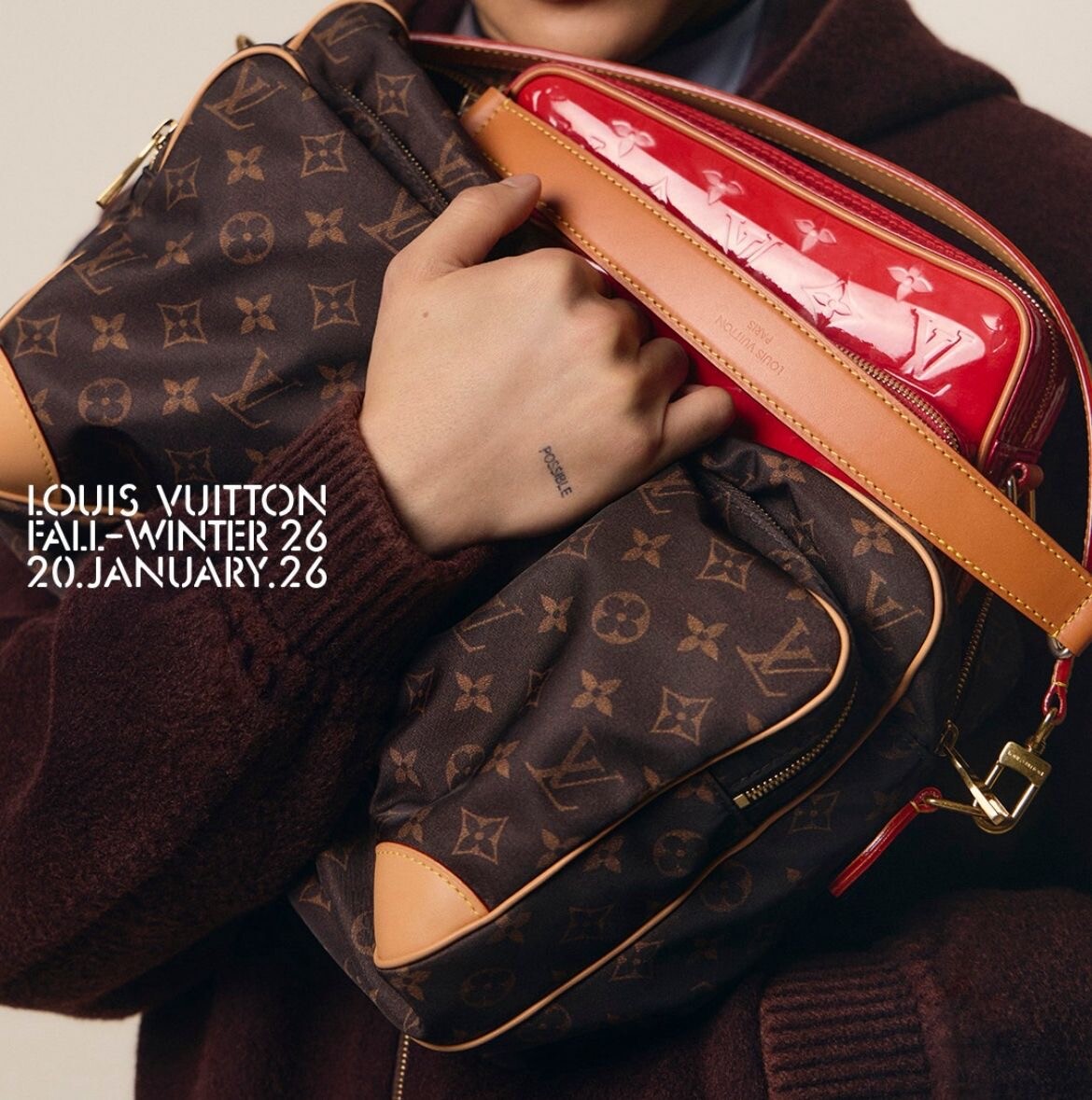
Branding remains discreet. The Louis Vuitton monogram appears embedded within textures or
structures rather than declared graphically, signaling a shift toward quieter luxury codes
increasingly visible across high-end fashion. Still, within a brand whose commercial success
depends heavily on recognisable iconography, this restraint may function more as symbolic
positioning than genuine operational transformation. Colour as Emotional Temperature
The palette – anchored in browns, greys, and muted neutrals – establishes a calm atmospheric
continuity. Strategic injections of saturated colour operate as emotional punctuation rather than
spectacle. This chromatic discipline reinforces the collection’s architectural logic and emotional
neutrality.
Luxury in the Age of Stability
LV’26 menswear reflects a broader industry moment: luxury fashion recalibrating toward stability
after years of cultural volatility. As markets mature and consumers seek durability over disruption,
brands increasingly champion timelessness, lifestyle integration, and material value. Pharrell
Williams’ Louis Vuitton aligns seamlessly with this shift. It is coherent, refined, and commercially
intelligent. But it also raises a critical question: can luxury still function as a cultural engine if it
prioritises comfort over confrontation? The collection succeeds as a proposition for contemporary
living. Whether it advances fashion as a critical discipline remains open to debate.
Words by Fabianna Gutierrez