
At Chanel, the runway is rarely just a presentation of clothes. It is an argument about continuity.
And this season, under Matthieu Blazy, that argument took on a sharper, more intellectual tone.
Presented in Paris during the closing stretch of fashion week, the Fall/Winter 2026 collection read
like an exercise in architectural thinking. Rather than chasing novelty, Blazy approached the house
codes almost the way a conservator approaches a painting: by examining the layers beneath the
surface.
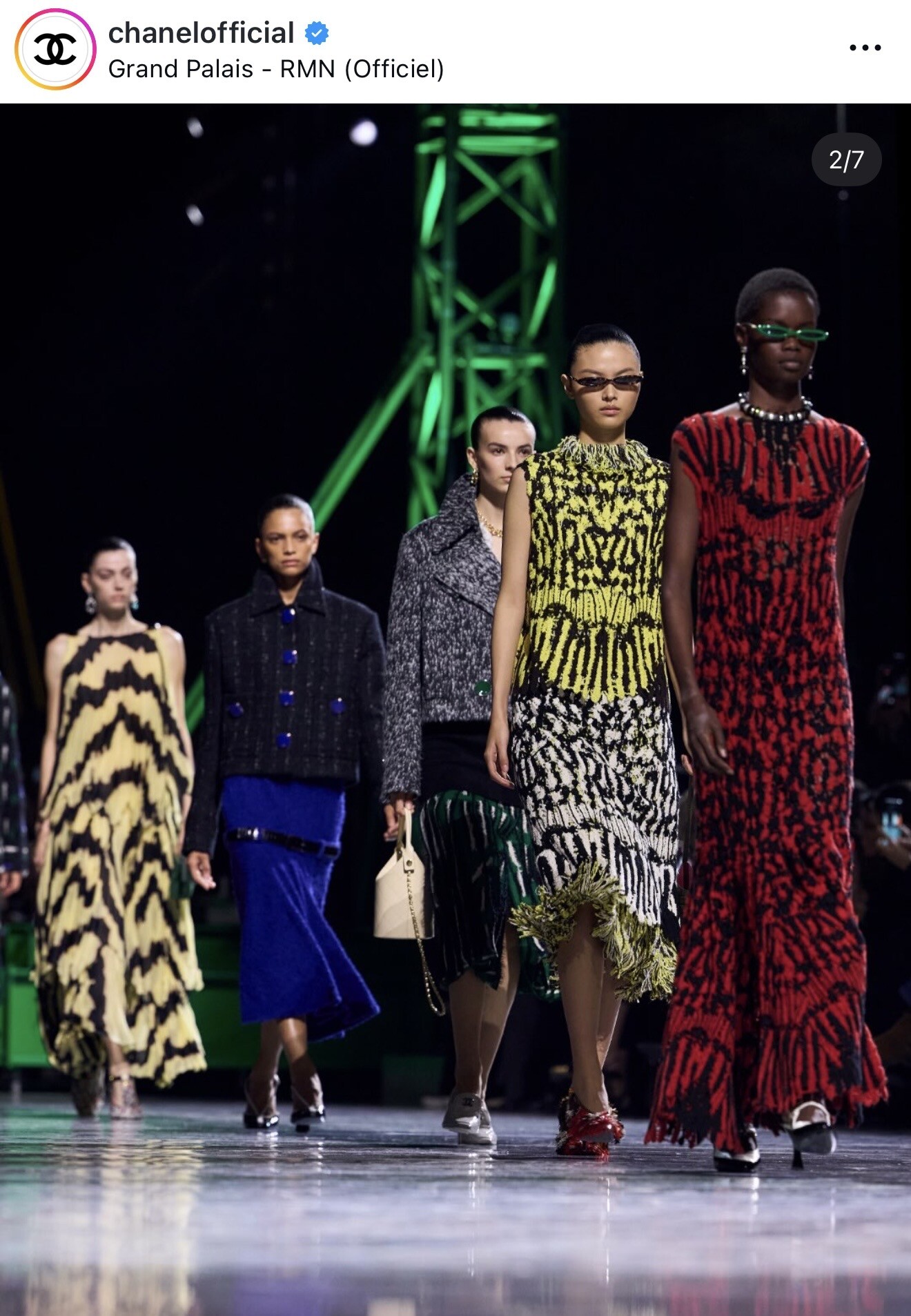
The result was a collection that felt less about spectacle and more about construction — a careful
rebuilding of Chanel’s visual language.
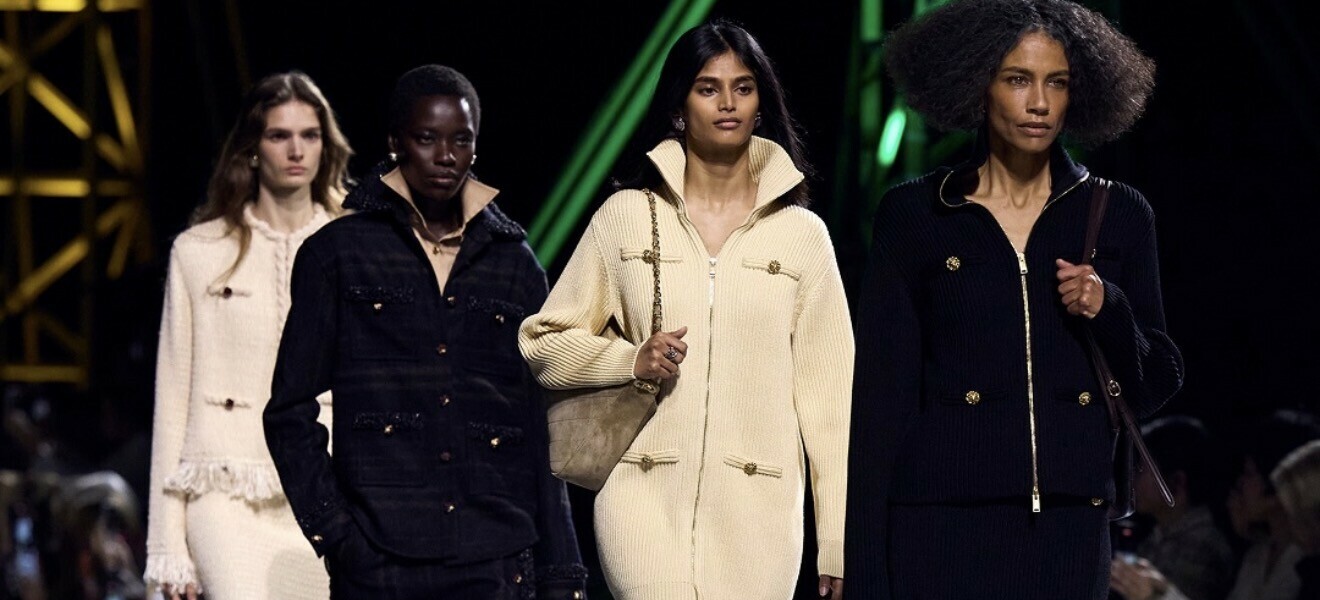
The Architecture of Tweed
The show opened with what might be described as the “foundation layer” of the Chanel universe:
tweed. But these were not the nostalgic, prim suits that often define the house’s commercial identity.
Blazy treated tweed almost like a sculptural material.
Jackets were cut with sharper shoulders and longer lines, paired with skirts that dropped slightly
below the knee. The proportions created a subtle shift in silhouette — elongating the body rather
than emphasising the waist.
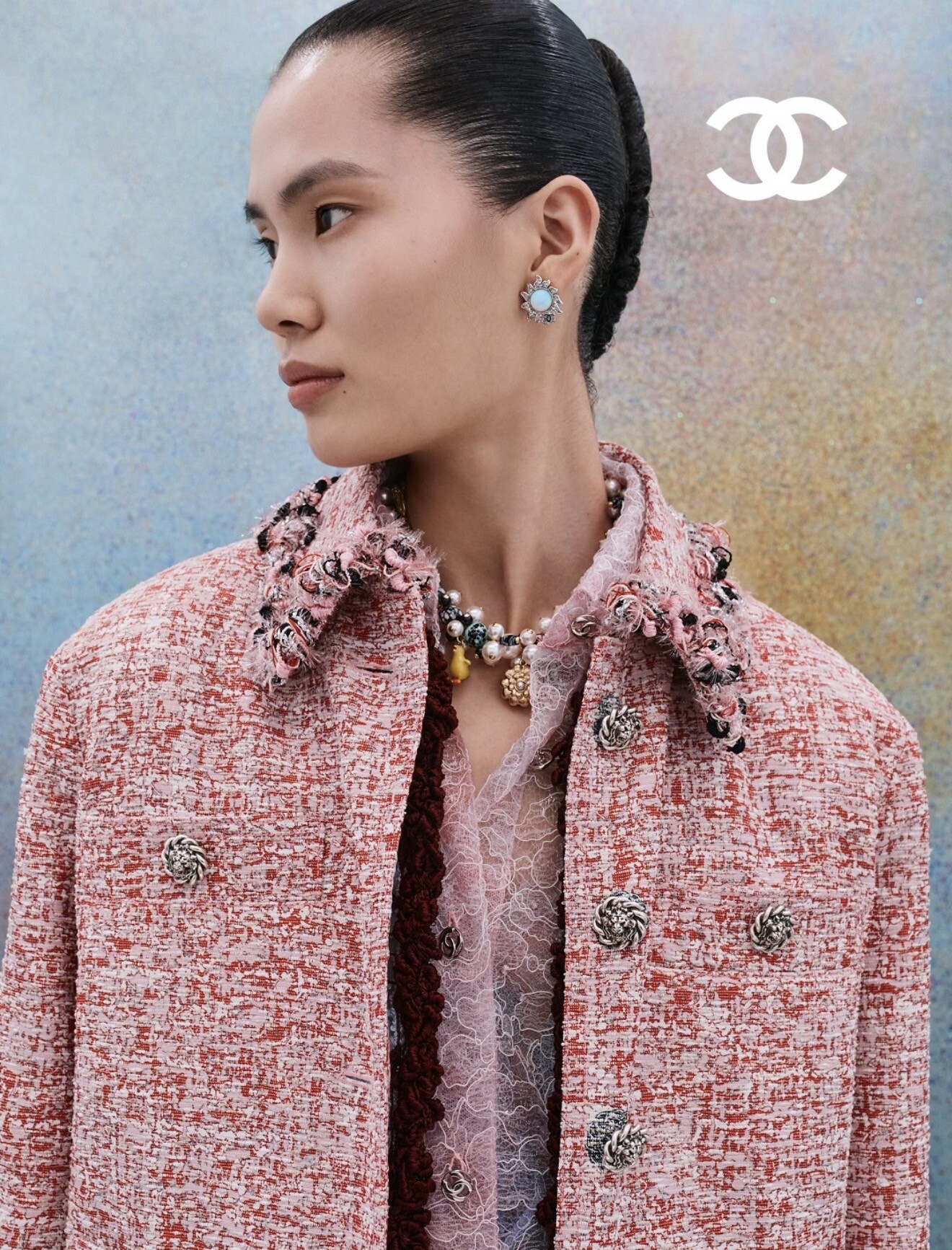
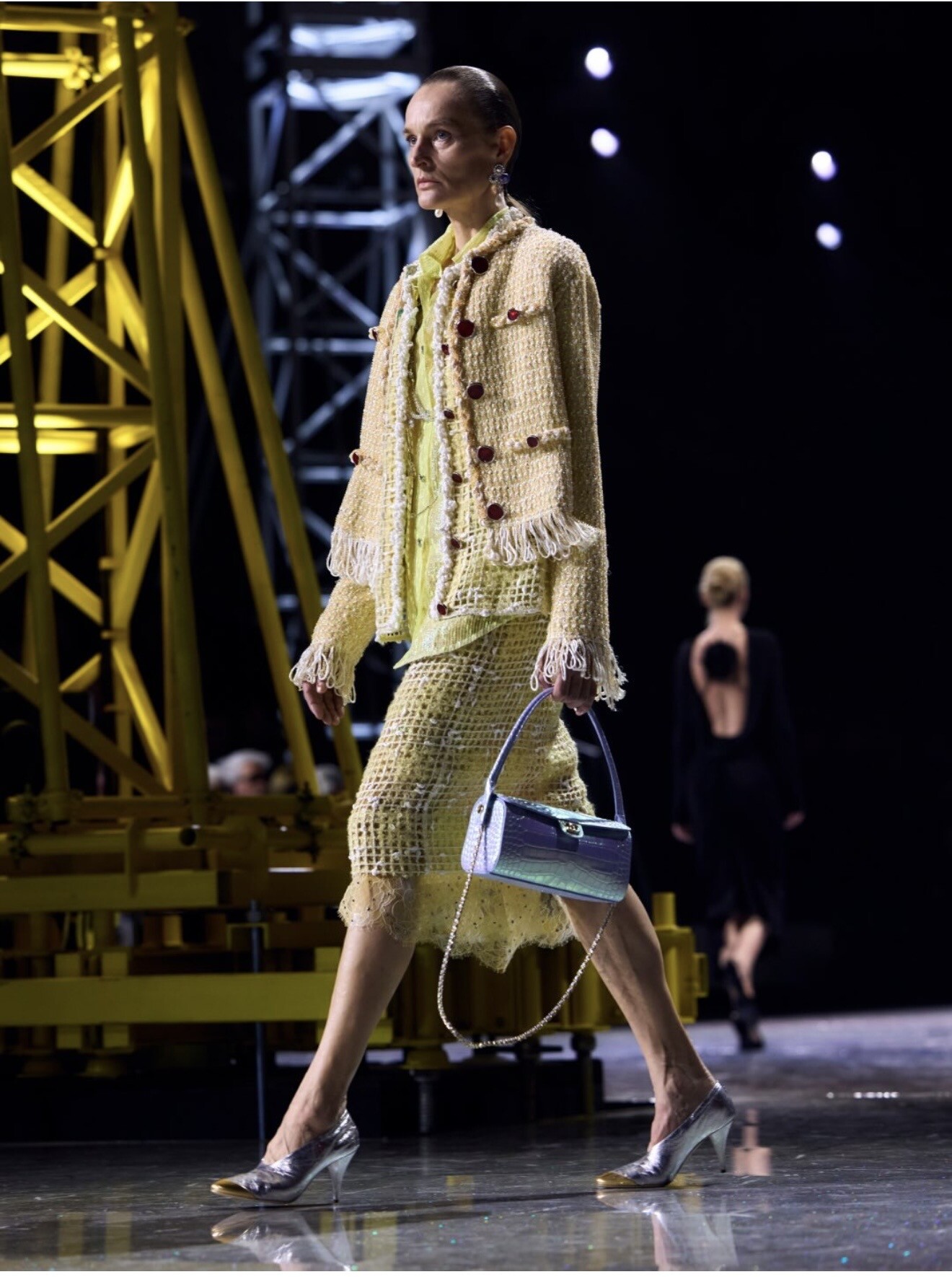
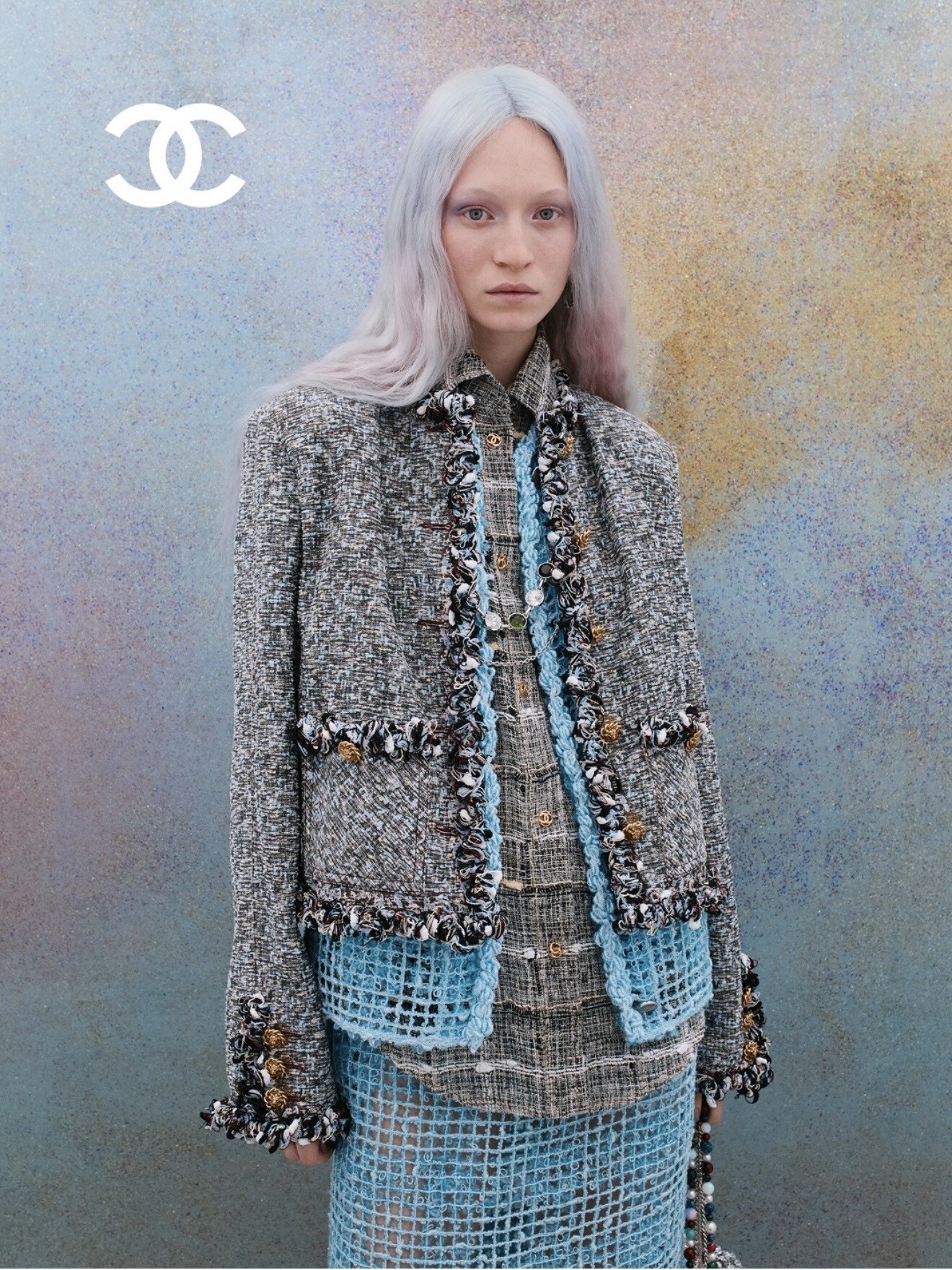
There was something almost Bauhaus in the discipline of these early looks. The garments felt
reduced to their essential structure: line, texture, proportion. It echoed the Bauhaus principle that
design should reveal the integrity of materials rather than disguise them.
At Chanel, tweed has always been the ultimate material truth.
A Dialogue With the 1920s
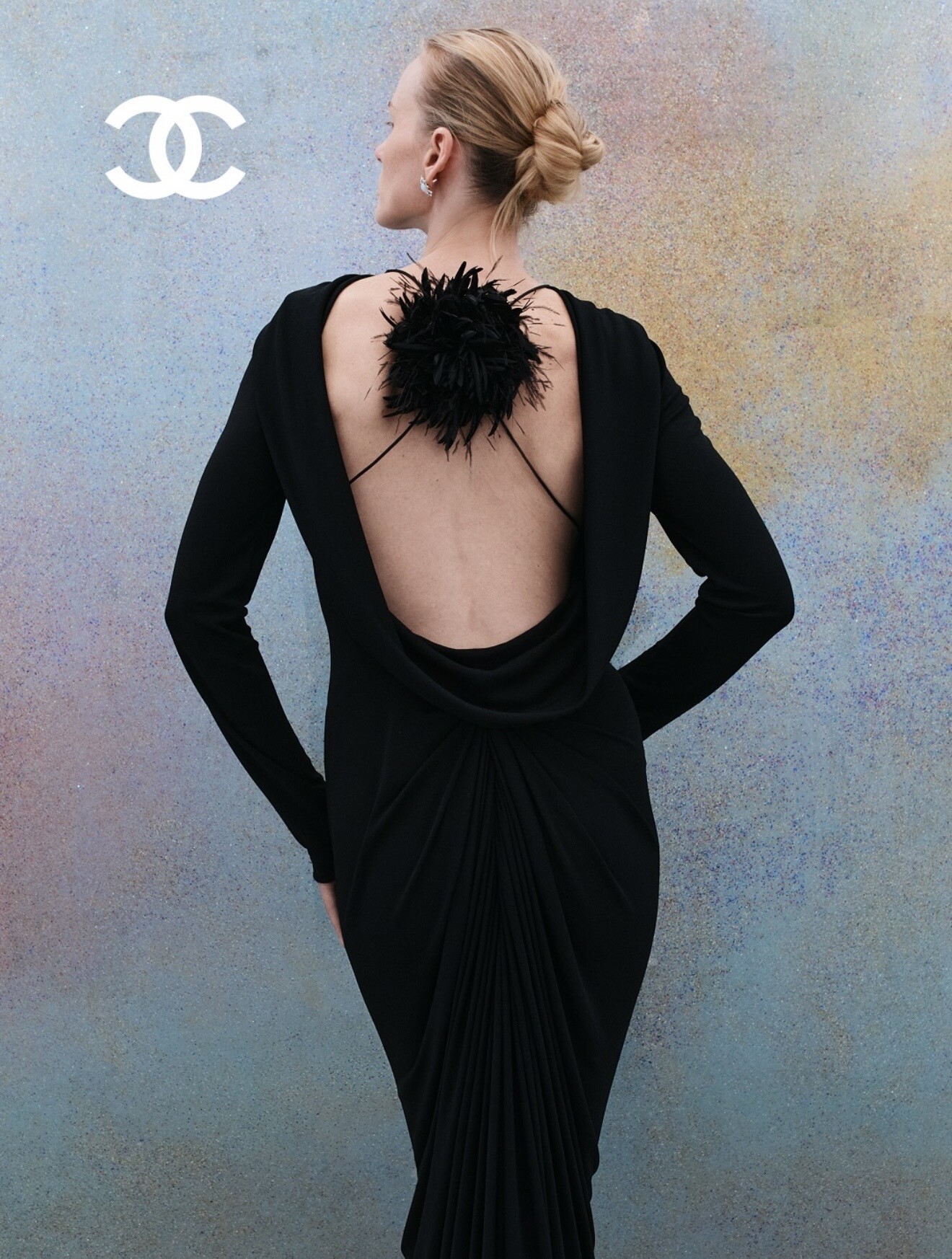
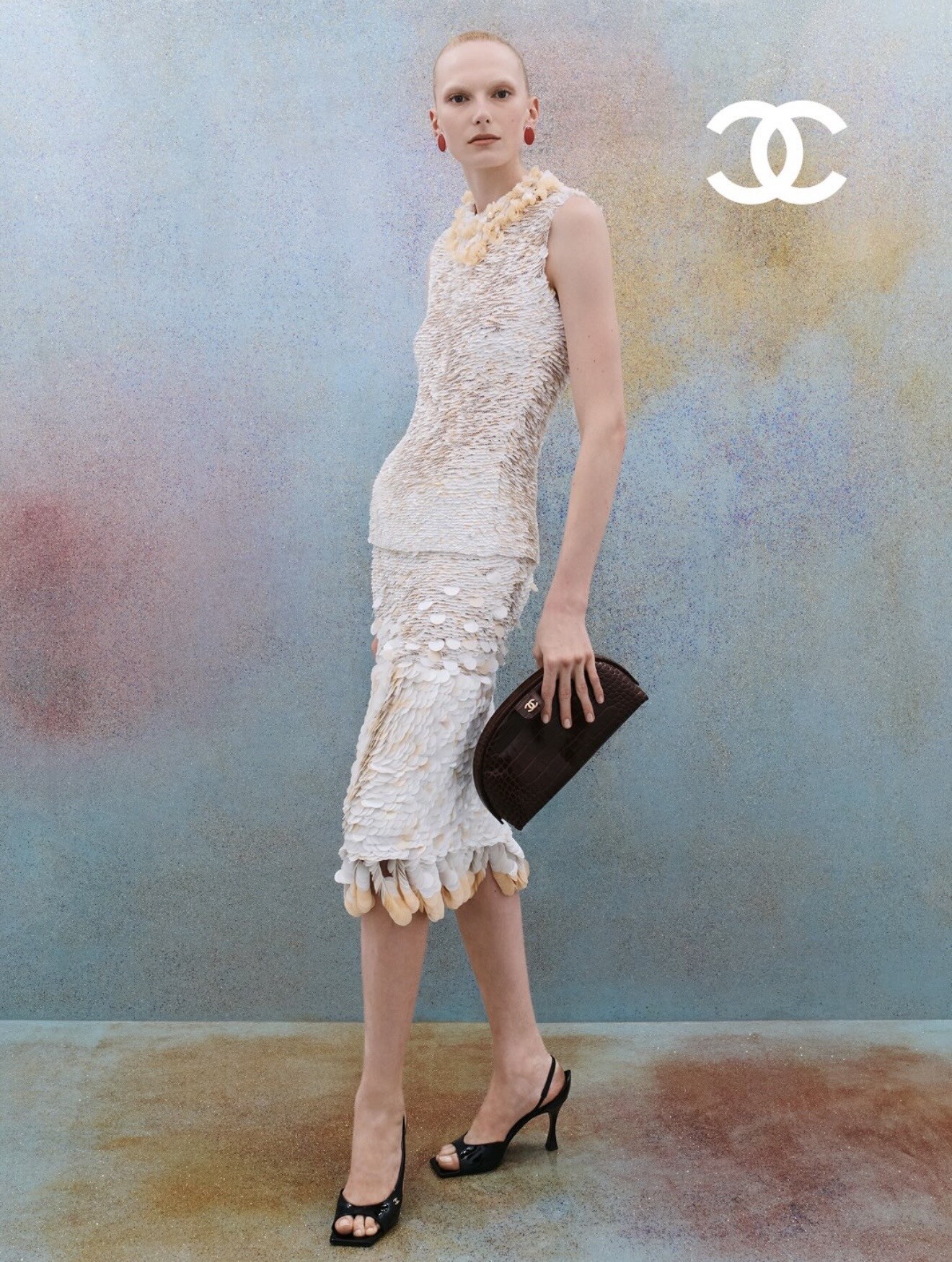
As the show progressed, the silhouettes loosened. Drop-waist dresses appeared, and the tailoring
softened into garments that moved more freely around the body.
The effect was unmistakably reminiscent of 1920s Parisian modernism — the moment when artists
like Tamara de Lempicka and Fernand Léger began translating the speed and geometry of modern
life into visual form.
In particular, the way the dresses skimmed the hips before falling into longer lines evoked
Lempicka’s portraits of modern women: sleek, elongated, slightly mechanical yet unmistakably
glamorous.
Blazy seemed less interested in recreating the decade than in referencing its spirit — a period when
fashion, art and architecture were redefining femininity simultaneously.
Surface and Texture
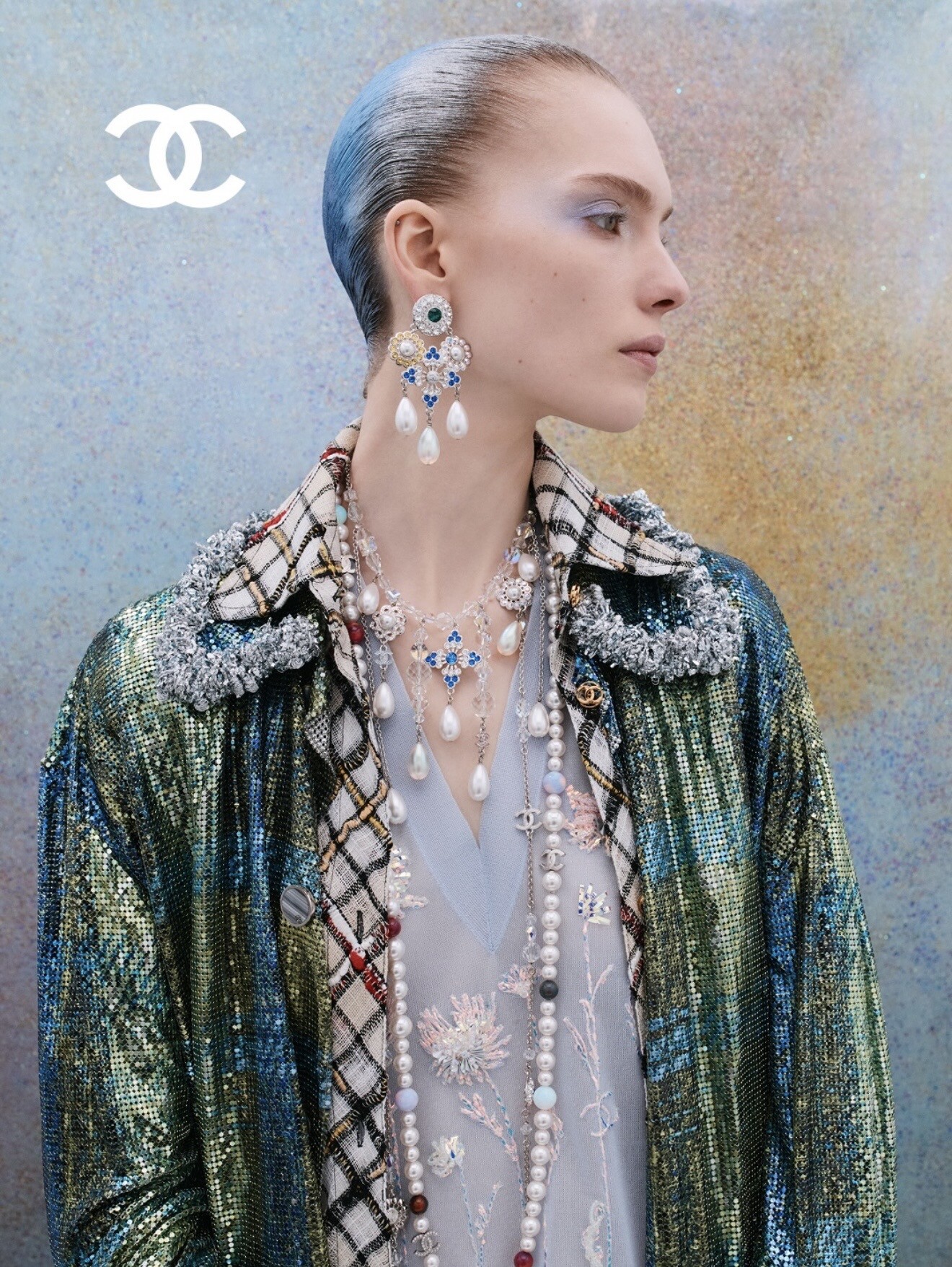
If the silhouettes spoke to modernism, the textiles spoke to experimentation. Alongside traditional
tweeds were fabrics that appeared almost synthetic in their finish: metallic mesh, silicone-woven
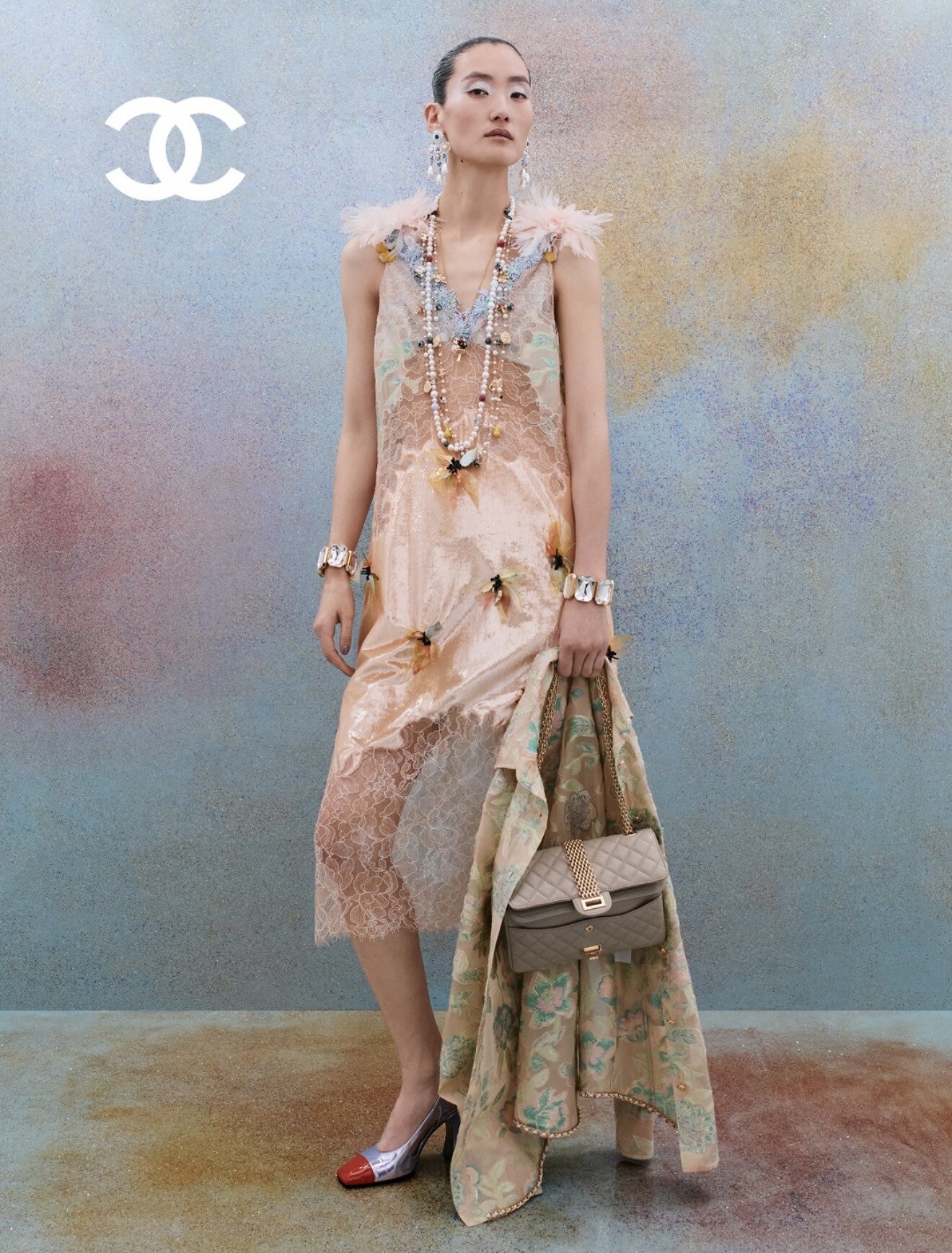
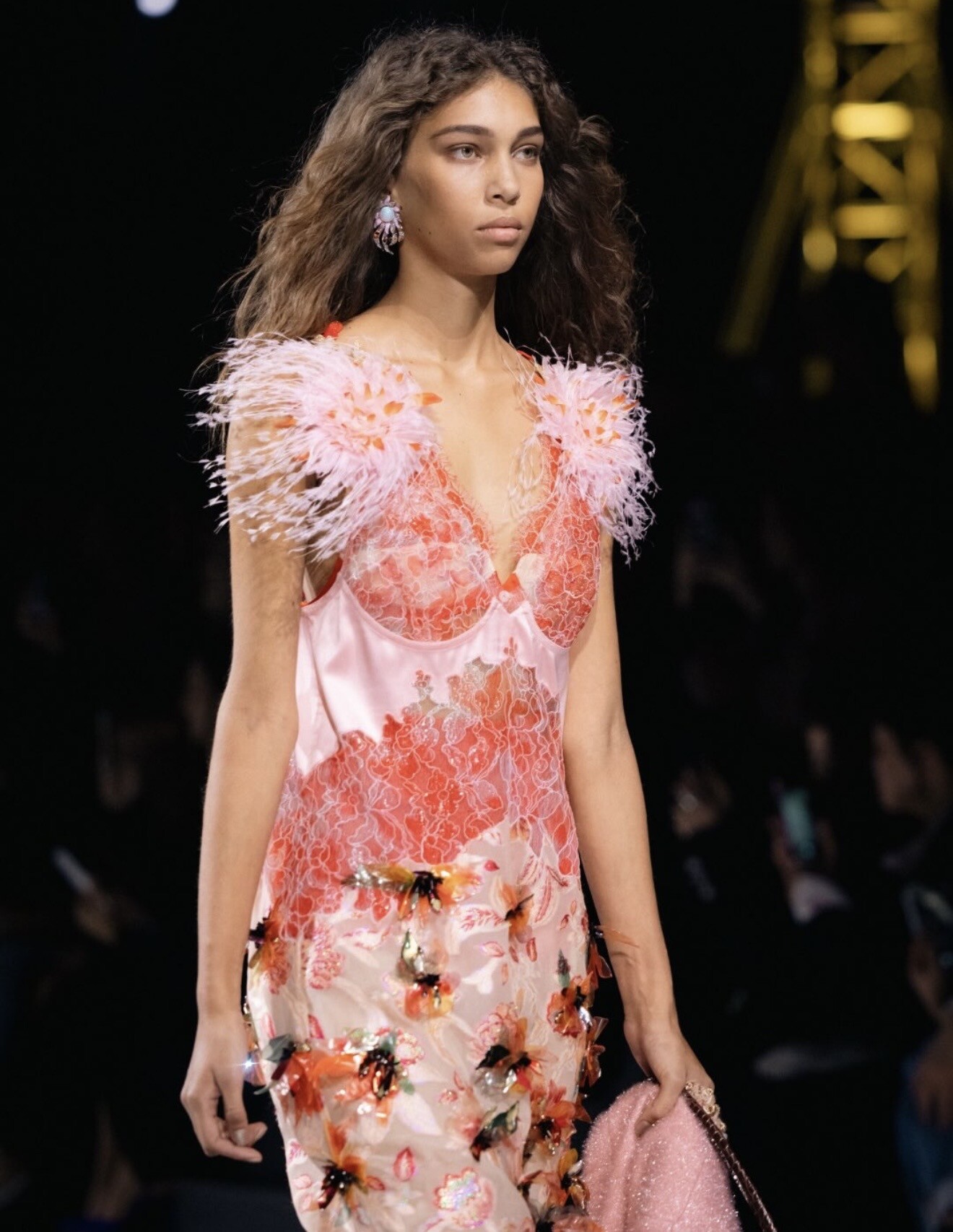
textures and glossy knits. These materials created a contrast between the heritage of the house and
something far more futuristic.
The effect recalled the material explorations of Anni Albers, the Bauhaus textile artist whose work
treated fabric not merely as decoration but as a structural element. In several looks, the fabrics
seemed engineered rather than woven — as though Chanel were testing the limits of what a couture
material can be.
This tension between craft and technology gave the collection its intellectual core.
Bags: The Language of Objects
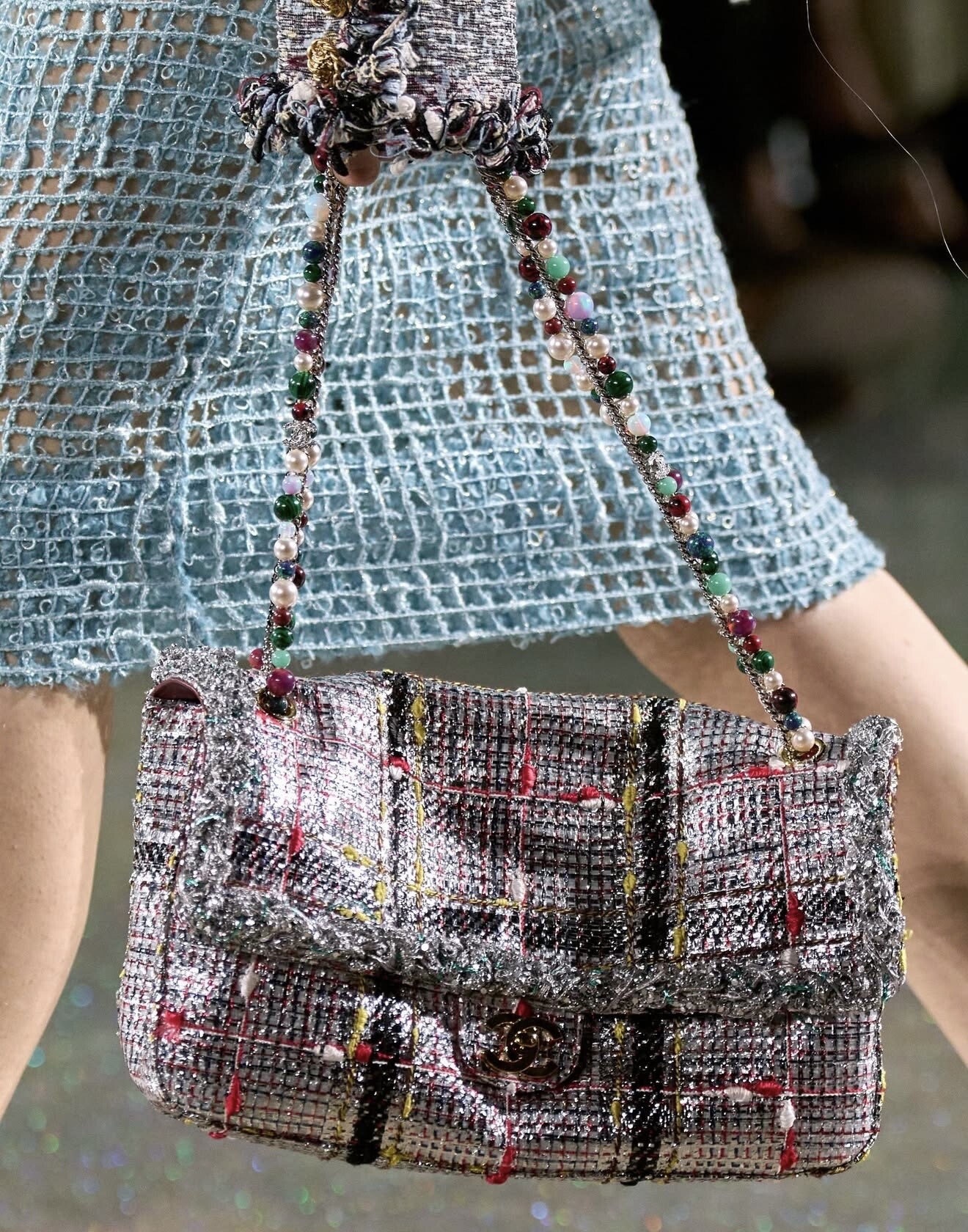
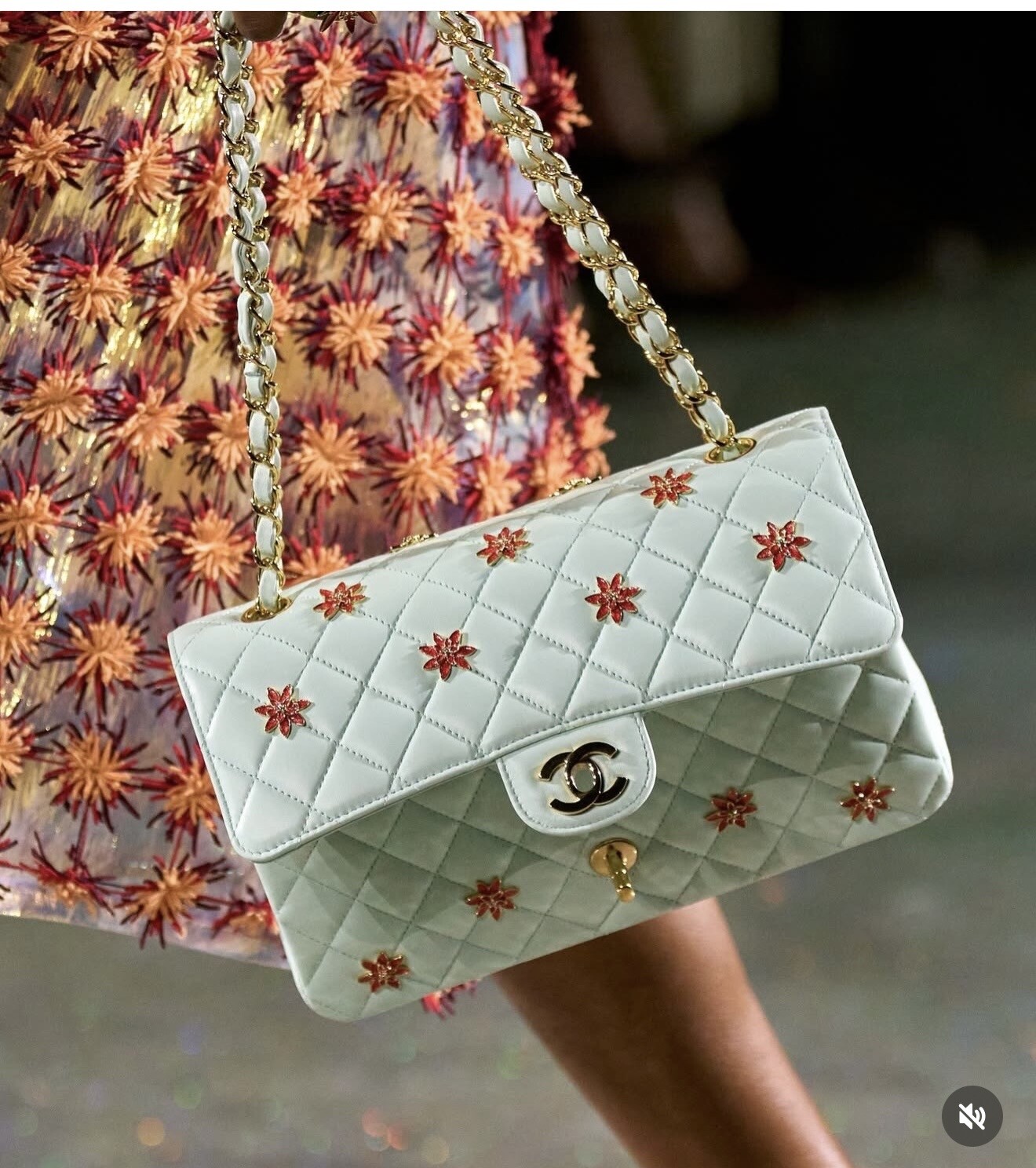
The accessories continued this conversation. The classic Chanel flap bag appeared repeatedly, but
its proportions had been subtly adjusted. Straps were lengthened, bodies softened, and the quilting
occasionally appeared slightly flattened, as if the bag had been worn for decades.
It felt like an object that had aged — intentionally. There were also oversized quilted totes that
introduced a more pragmatic note to the collection. Their scale contrasted with the delicacy of the
garments, suggesting the reality of modern life intruding gently into the Chanel universe.
And then there was the Chanel 25 bag, a new silhouette that merges the casual shape of a tote with
the house’s classic diamond quilting. It is less rigid than the traditional flap and reads as a
contemporary evolution rather than a replacement. Evening bags, meanwhile, were treated almost
as sculpture: small top-handle shapes in metallic finishes and jewel tones that resembled decorative
objects more than functional accessories.
Shoes and Ornament
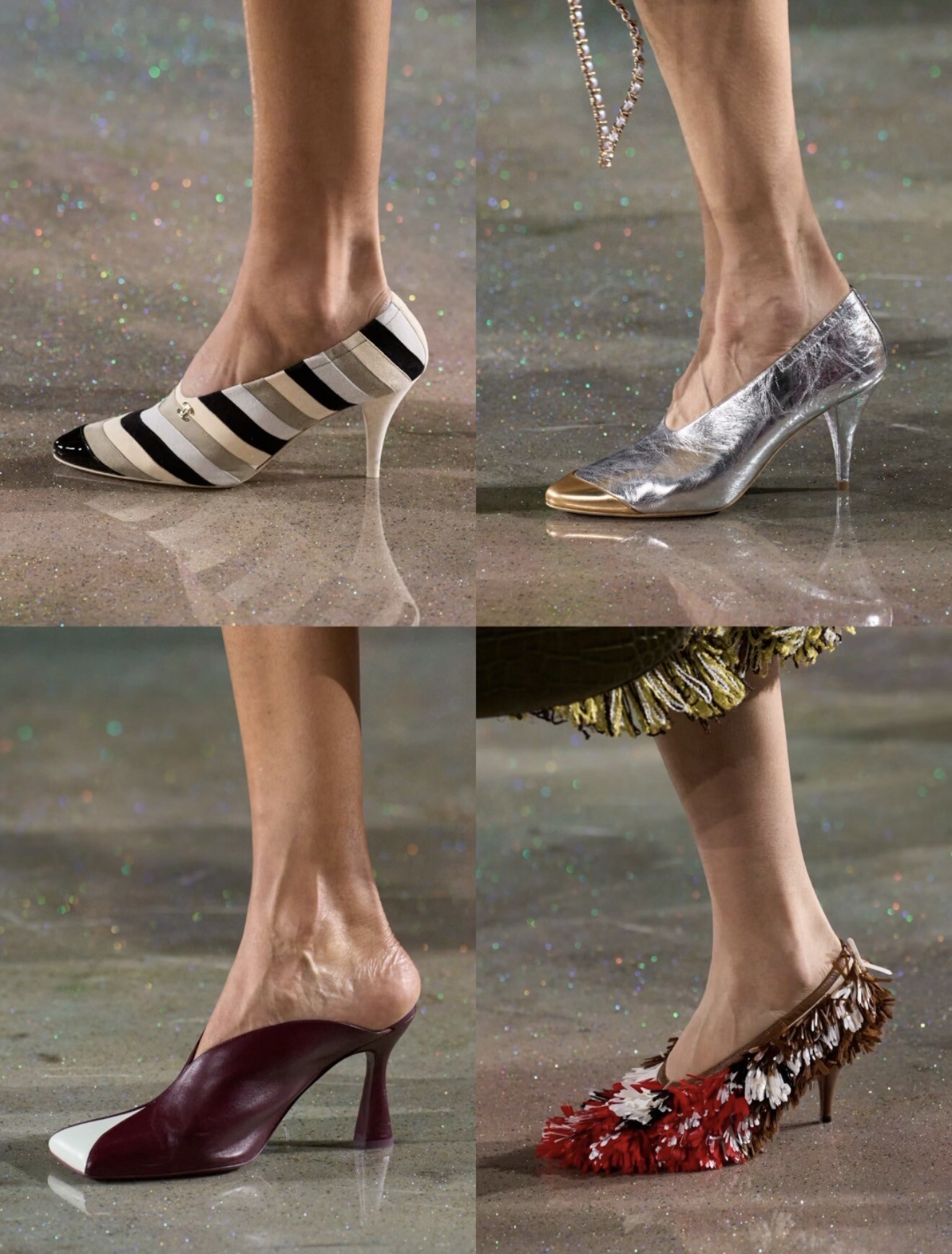
Footwear remained close to the Chanel canon. The house’s signature two-tone shoes appeared
throughout the show, reinterpreted as slingbacks and pumps with slightly elongated toes.But the
ornamentation offered the real intrigue. Pearls appeared not merely as jewellery but as
embellishment woven directly into garments. Camellia motifs surfaced in appliqués along hems and
lapels, while chains — a long-standing Chanel motif — threaded through jackets and skirts.
These details echoed the surrealist tradition that once fascinated Elsa Schiaparelli, a reminder that
Chanel’s visual vocabulary has always existed within the broader artistic conversations of Paris.
Bhavitha Mandava: A New Face of the House
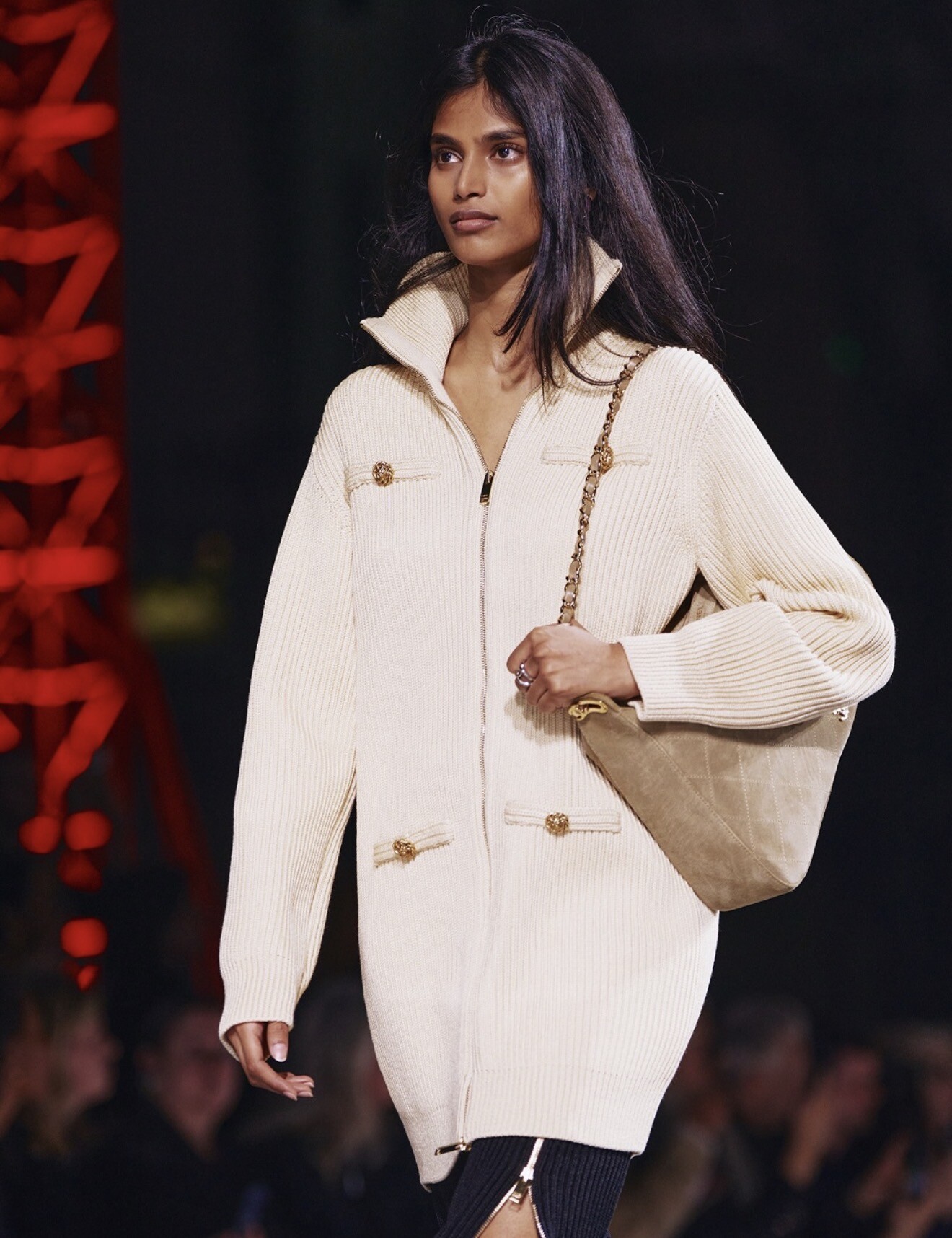
The show also marked an important cultural moment for the brand with the appointment of
Bhavitha Mandava as a new Chanel ambassador. Mandava, who previously made history as the
first Indian model to open a Chanel runway show, represents a shift in how the house is positioning
itself globally. Her presence at the show underscored the brand’s growing engagement with a wider
cultural landscape — one that extends far beyond Paris.In many ways, her appointment mirrors the
ethos of the collection itself: respectful of history, but aware that the future must expand its frame.
The Chanel Question
Every Chanel collection inevitably raises the same question: how far can the house move without
losing itself? Blazy’s answer appears to be measured evolution. The codes remain — tweed, pearls,
quilting, camellias — but they are stretched, reconsidered, and occasionally placed in unfamiliar
contexts. Rather than rewriting the Chanel language, he seems interested in adjusting its grammar.
And in a season where many brands chase immediacy, that kind of patience feels almost radical.
Chanel has always been about continuity. This show suggested that continuity, when treated with
intelligence, can still produce something new.
Watch the show here
Words by Fabiana Gutierrez