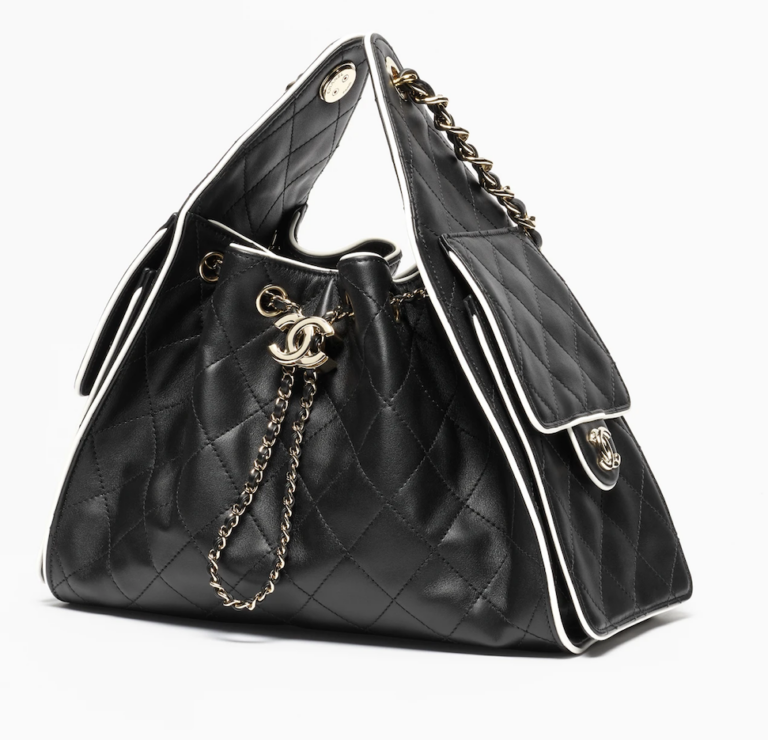

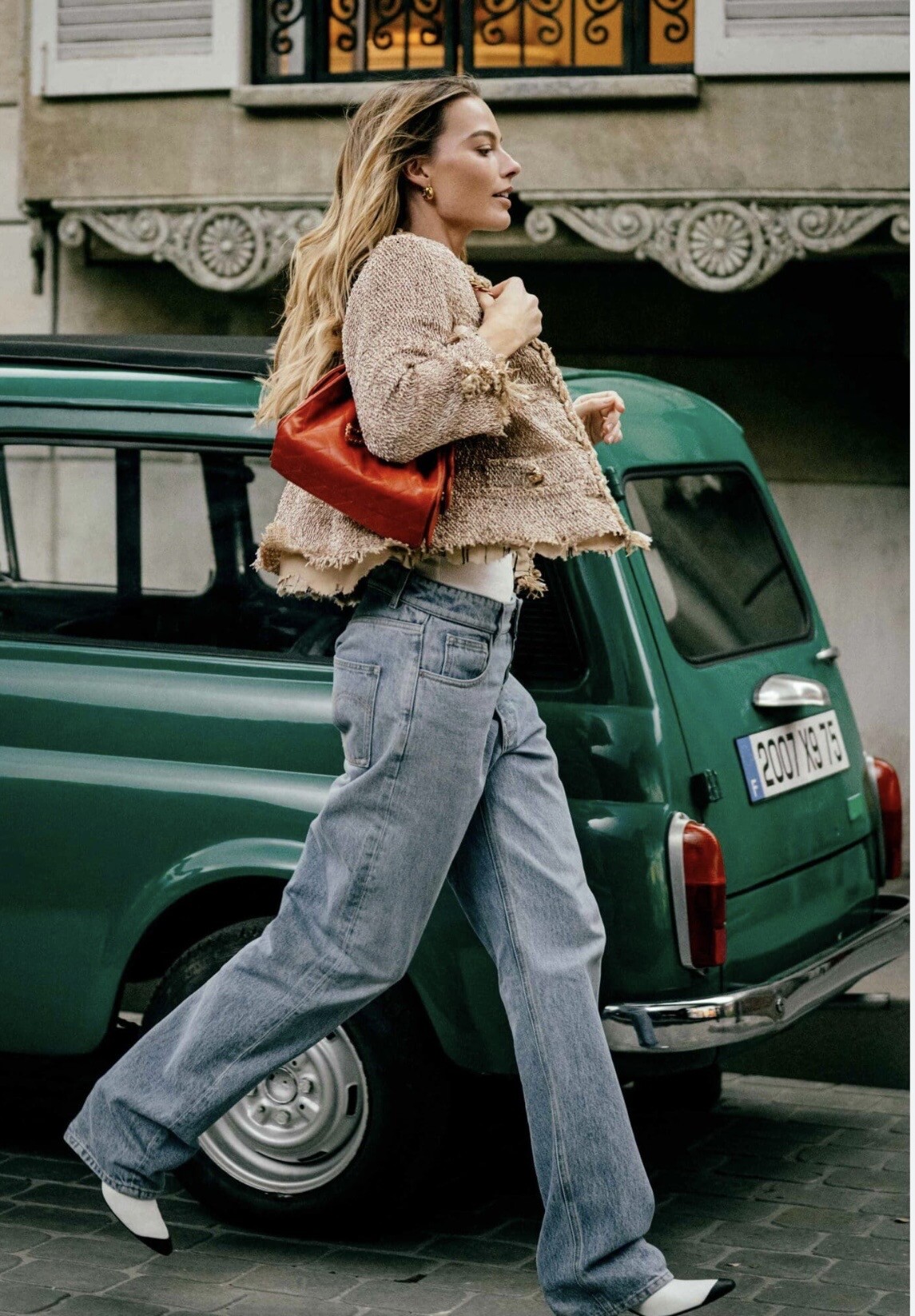
In Chanel’s latest campaign for the Chanel 25 handbag, the narrative is deceptively simple: a
woman walking down the street. But as the film unfolds, that simplicity begins to fracture, looping
back on itself until the image becomes something else entirely.
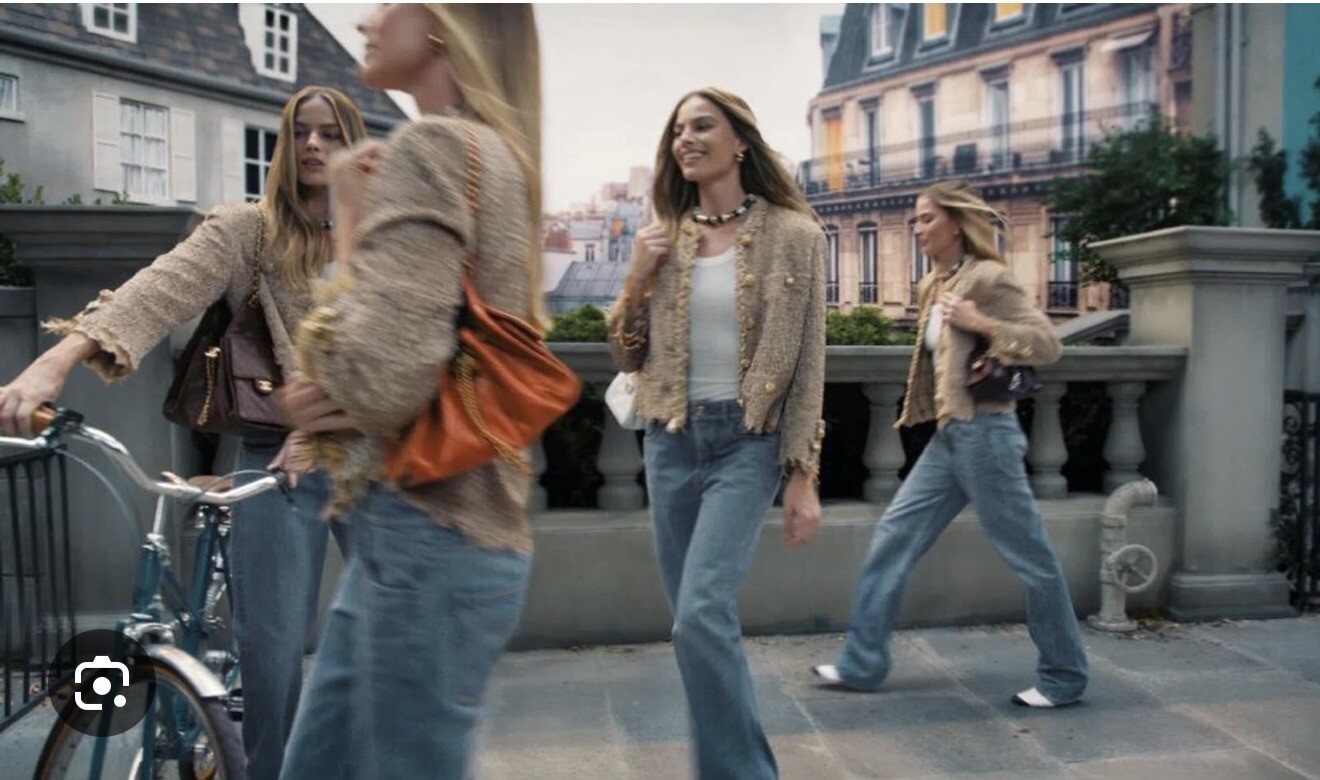
Fronted by Margot Robbie and directed by Michel Gondry, the campaign is built on repetition. Set
against a stylised Parisian street recreated on a soundstage, Robbie moves through the same
sequence again and again. With each loop, she multiplies—versions of herself appearing,
overlapping, occupying the same space in slightly altered rhythms.
It is a direct reference to Gondry’s Come Into My World video for Kylie Minogue, but here the
mechanics are stripped back, controlled, and redirected toward a singular focus: the bag.
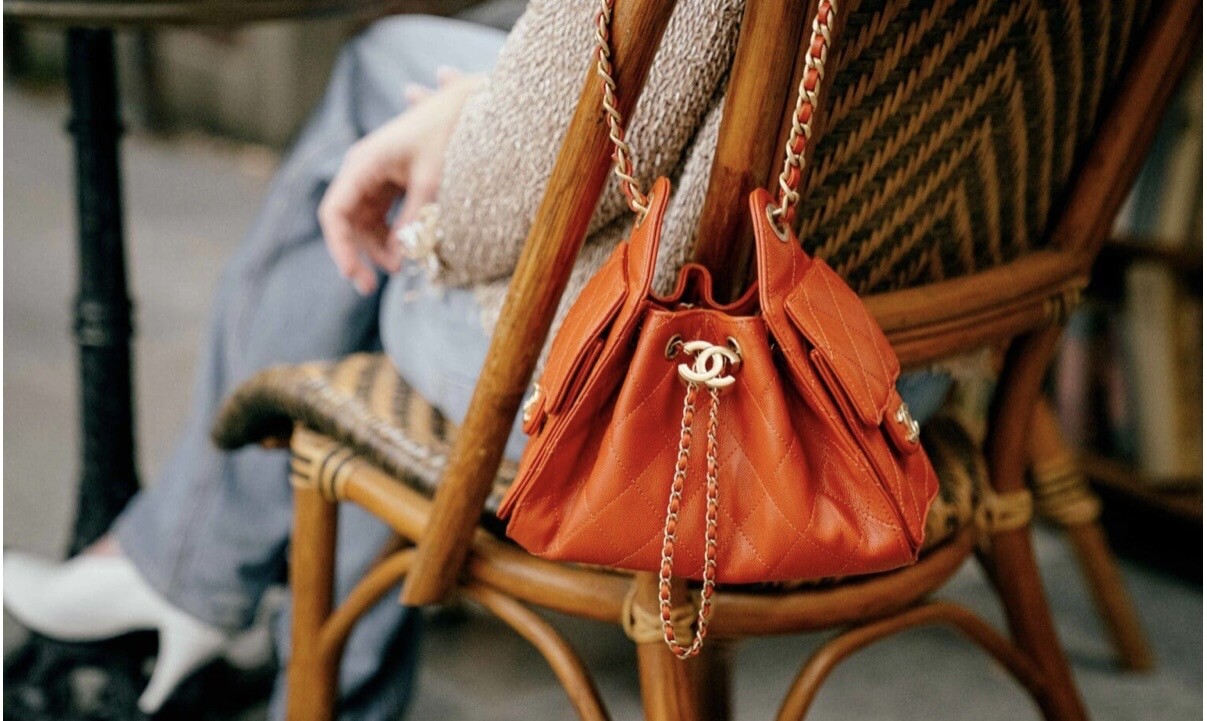
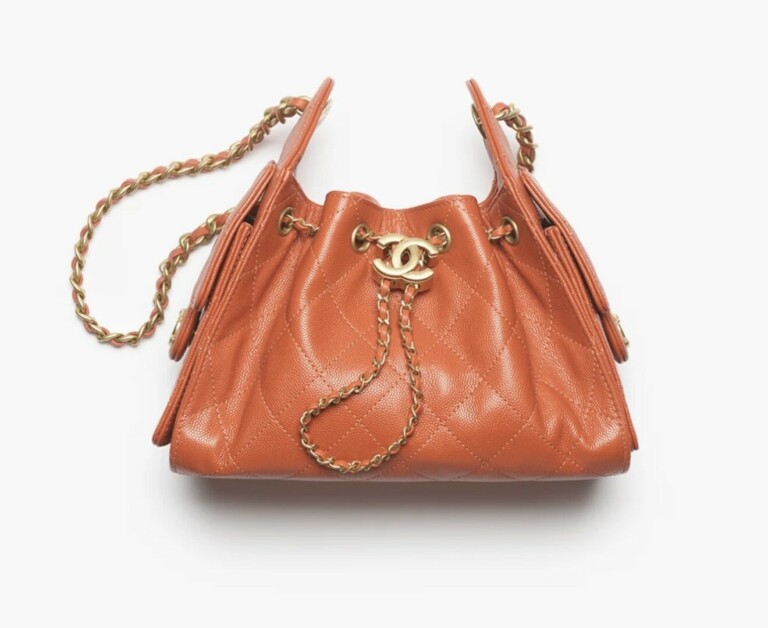
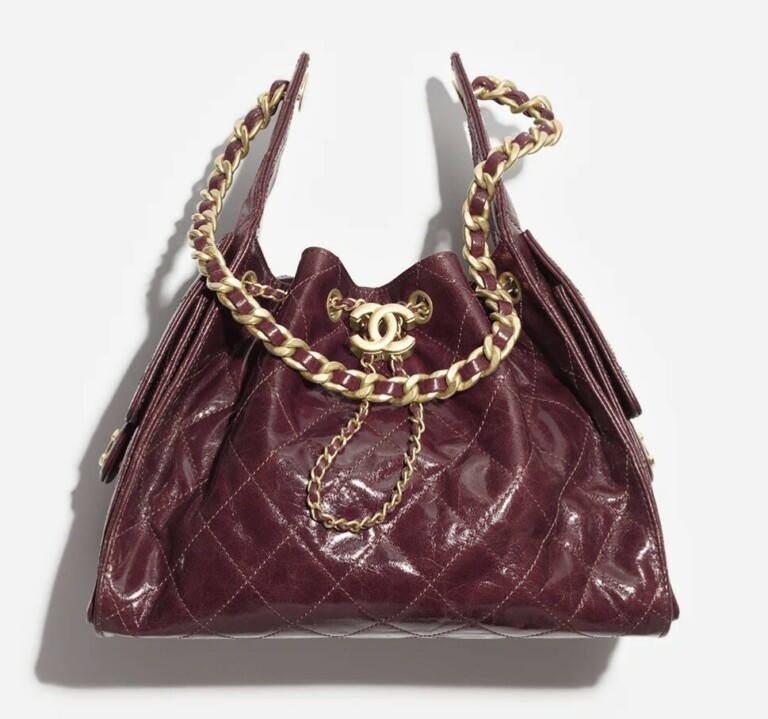
The Chanel 25 remains constant throughout. While Robbie’s movement repeats and her presence
duplicates, the bag anchors the frame. It appears in different iterations—variations in texture, scale,
and finish—but its role does not change. It is not styled to transform the look. It exists as the one
fixed element within an otherwise shifting environment.
This is where the campaign departs from traditional luxury storytelling. There is no progression, no
climax, no clear beginning or end. Instead, Chanel builds its narrative through accumulation. The
more the image repeats, the more it embeds itself. The viewer is not guided through a story, but
through a rhythm.
Watch Here
The styling reflects this restraint. Robbie is dressed in a mix of casual and coded Chanel—denim,
knits, understated tailoring—grounding the surreal structure of the film in something recognisable.
There is no attempt to overwhelm the frame. The clothes remain secondary, supporting the
movement rather than interrupting it.
Even the setting resists excess. Though constructed, the street feels deliberately contained—almost
too perfect, too controlled. It reinforces the sense that everything within the frame is operating according to a precise system, one that the viewer gradually becomes aware of as the loops
continue.
The campaign’s most self-aware moment arrives quietly, with a cameo from Kylie Minogue herself.
It is brief, almost incidental, but it completes the reference. The original and its reinterpretation
exist side by side, collapsing time into a single visual gesture.
What Chanel achieves here is not reinvention, but recalibration. Rather than introducing a new
narrative, the house leans into something more structural: the power of repetition as a tool of desire.
In a landscape where campaigns often rely on spectacle or conceptual excess, this approach feels
almost counterintuitive. Nothing dramatic happens. Nothing needs to.
The image repeats. The bag remains. And slowly, almost imperceptibly, it becomes the only thing
that matters